Ancient human relative cannibalized both adults and children in a cave in Spain 850,000 years ago, fossils reveal
Newly excavated bones from Gran Dolina cave in Spain reveal an ancient human relative practiced cannibalism on adults and children, but researchers still don't know why.
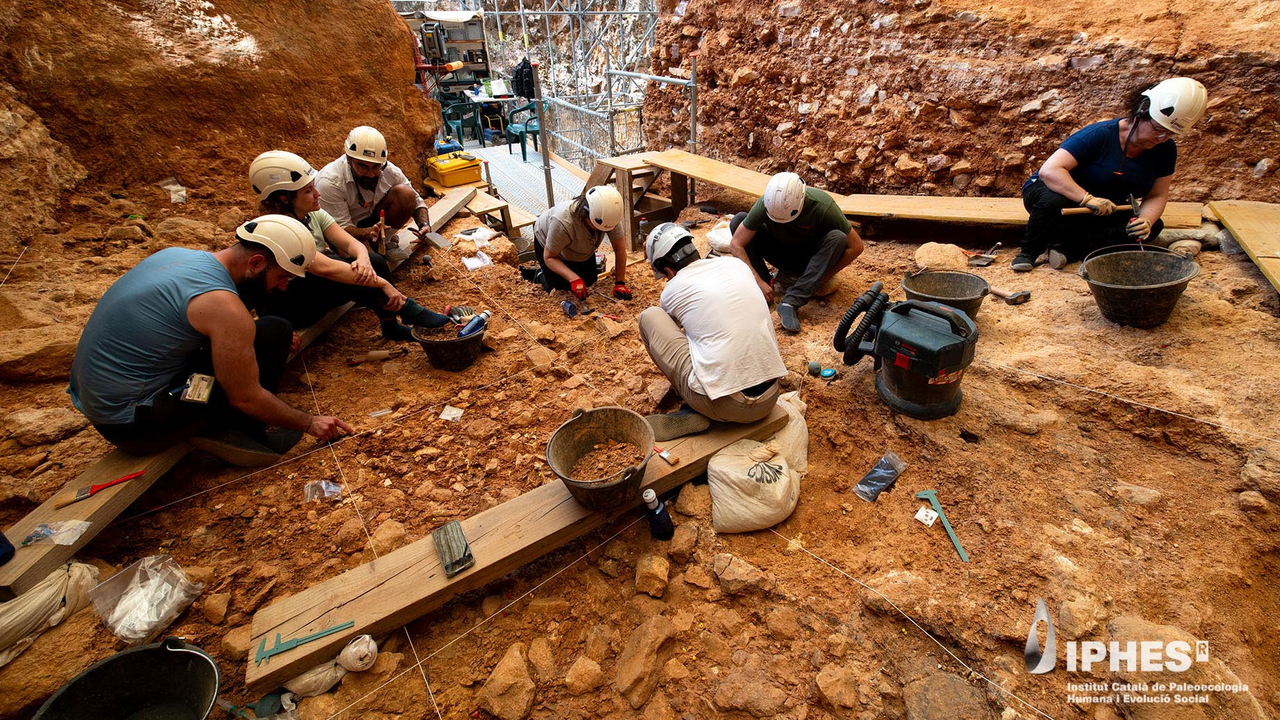
Live Science plus Get started to get free access to selected news stories, receive our daily newsletter, post comments, play games and earn badges. JOIN FREE Live Science pro Unlimited access to our exclusive features, expert analysis and in-depth interviews, all ad-free No ads, ever Exclusive, original reporting Scientist interviews and video Member-only features Join live science pro Excavation work at Gran Dolina in Spain, where researchers found evidence of cannibalism in Homo antecessor adults. (Image credit: Maria D.
Guillén / IPHES-CERCA) Copy link Facebook X Reddit Pinterest Flipboard Share this article 0 Join the conversation Follow us Add us as a preferred source on Google Newsletter Subscribe to our newsletter Cut marks suggestive of cannibalism have been discovered on the fossils of an ancient human relative in a cave in Spain, new research finds. But many of the bones from the species, known as Homo antecessor, were from adults — not just children, as previous discoveries had found — adding a new dimension to the cannibalism that was practiced in this area 850,000 years ago.The two dozen bones and teeth were recently found in Gran Dolina cave, part of the Sierra de Atapuerca archaeological complex in northern Spain, according to a July 24 translated statement from the Catalan Institute of Human Paleoecology and Social Evolution (IPHES).
Among the remains were fragments of a skull, spine, arm and leg bones, as well as three teeth from several members of the now-extinct H. antecessor, a relative of modern humans that lived in Europe between about 1.2 million and 770,000 years ago.
Several of the bone fragments had cut marks from stone tools.Over the past few decades, researchers have identified numerous cases of cannibalism at Gran Dolina, meaning H. antecessor is the oldest known human relative to eat its own group members for nutritional reasons.
In a 2010 study, researchers noted that most of the evidence of cannibalism at Gran Dolina came from the bones of infants and juveniles, who would have been easier to capture and kill as the young, defenseless members of a rival group. But the newly excavated fossils have upended that assumption.Latest Videos FromLive ScienceWatch full video here: "The discovery of more adult individuals, some of whom also bear cut marks, demonstrates that cannibalism was not restricted to younger individuals," Palmira Saladié, a biological anthropologist at the IPHES who coordinated the work, said in the statement.
The first-ever ulna (forearm bone) discovered from an adult Homo antecessor individual at Gran Dolina in Atapuerca, Spain.(Image credit: Maria D. Guillén / IPHES-CERCA)The number of individuals found at Gran Dolina has now risen to at least 13, and about half of them are adults.
"The increase in the number of individuals, and especially the addition of more adults, allows us to begin understanding this population from a much more complete perspective than ever before," Andreu Ollé, an archaeologist at the IPHES, said in the statement.Excavation at Gran Dolina has also brought to light an assemblage of stone tools made from flint, quartzite and sandstone, along with animal bones from hyenas, beavers, deer, horses and rhinoceroses, according to the statement.Evidence of cannibalism at the site is extensive.
Stone tools found in the cave are consistent with the cut marks on the human bones, and the animal bones have revealed butchering techniques that were also used on humans. Some of the human bones also had human bite marks, Saladié told Live Science in 2025, which is the "most reliable evidence that the bodies found at the site were indeed consumed."Sign up for the Live Science daily newsletter nowGet the world’s most fascinating discoveries delivered straight to your inbox.
Contact me with news and offers from other Future brandsReceive email from us on behalf of our trusted partners or sponsorsRELATED STORIESLast common ancestor of modern humans and Neanderthals possibly found in Casablanca, MoroccoHuman ancestors arrived in Western Europe much earlier than previously thought, fossil face fragments revealPrehistoric cannibal victim found in death cave ID'ed as a young girlBut while the practice of cannibalism at Gran Dolina has been confirmed, the reason for it is still unclear. Researchers hope the newly discovered adult bones may help them better understand the practice among H. antecessor groups."
We have only just begun excavating this new area" at Gran Dolina, Marina Mosquera, an archaeologist at the IPHES, said in the statement, "and the first results already demonstrate its enormous scientific potential."Further analyses on the bones are now underway to explore questions about age-related differences in cannibalism, the number and length of cannibalistic episodes, and the social organization of H. antecessor, according to the statement.
What do you know about early humans? Test your knowledge with our human origins quiz! Kristina KillgroveStaff wri
Đọc thêm từ Khoa học
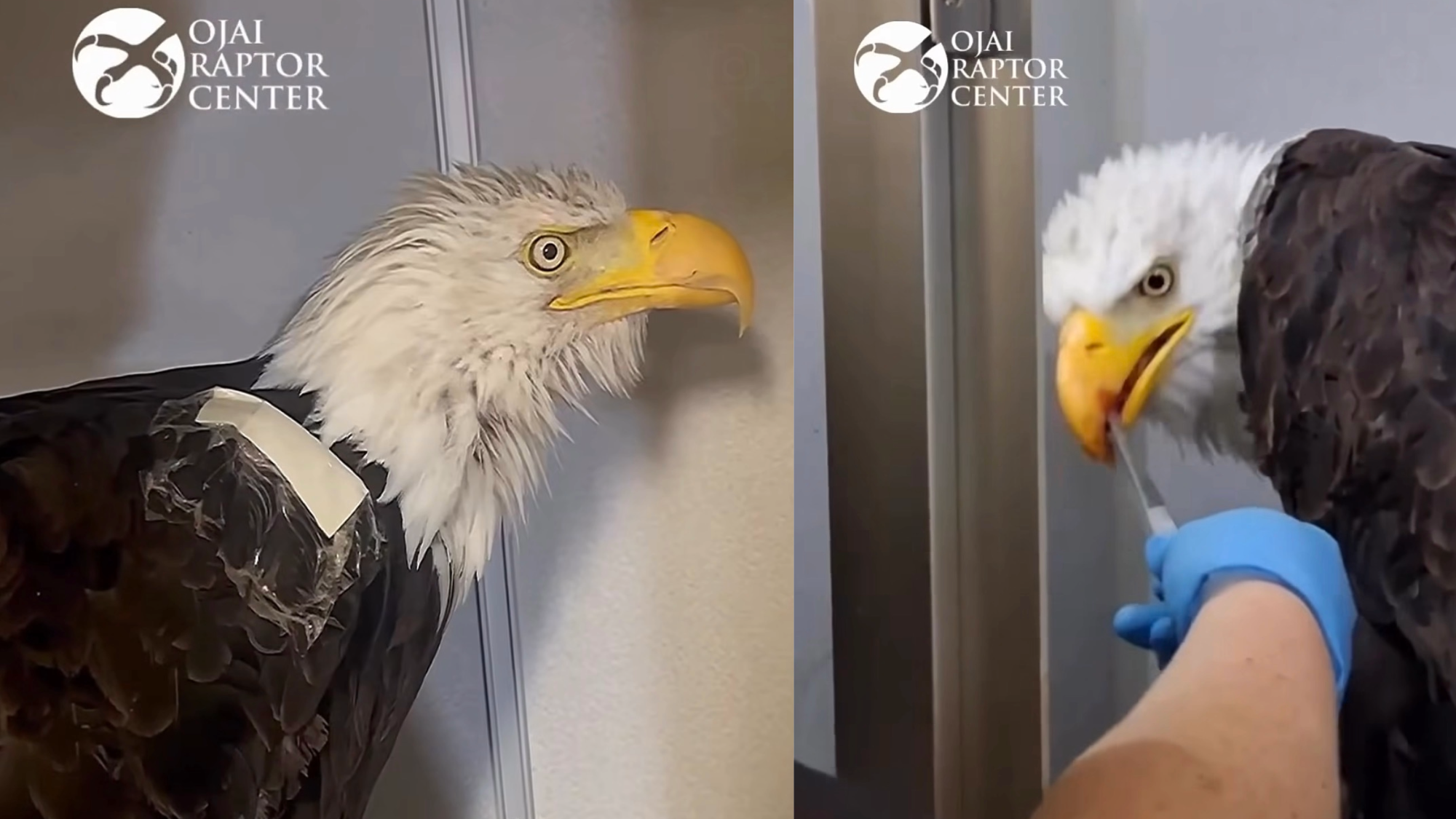
Bald eagle Jackie ‘more feisty’ during feedings, still in critical condition
Meanwhile, the sub-adult eagle that may have injured Jackie has been spotted near her habitat in Big Bear Lake. The post Bald eagle Jackie ‘more feisty’ during feedings, still in critical condition appeared first on Popular Science.
The prehistoric species fighting for survival in Lough Neagh
Restrictions have been placed on fishing the critically-endangered European eel in Lough Neagh to try to restore the species

Starship in space! See highlights of SpaceX megarocket's epic Flight 13 test launch (video)
The 13th test flight of SpaceX's Starship megarocket went pretty well —and provided some amazing visuals, too. See the highlights here.
Gates smashed and crops destroyed as farmers threatened by gangs hunting hares
Some barricade the entrances to their fields with concrete blocks and fallen trees.