Argentina Opens the Door to USD Wages as Central Bank Approves Dollar Salary Accounts
With the move, Argentines can now collect their wages in dollars, a proposal that will be more enticing to companies that already get paid in dollars. Nonetheless, this new option clashes with the historical distrust that Argentines have in banking institutions. Argentina’s Centr
With the move, Argentines can now collect their wages in dollars, a proposal that will be more enticing to companies that already get paid in dollars. Nonetheless, this new option clashes with the historical distrust that Argentines have in banking institutions. Key TakeawaysArgentina’s Central Bank directed private banks to process US dollar wages, expanding financial options.
The policy targets dollar-earning firms, allowing them to formalize previously informal foreign payments.Adoption of this measure relies heavily on worker trust in local banks due to the 2001 withdrawal limitations. Argentina’s Central Bank Authorizes Salary Payments in Dollars Argentina is advancing to a multi-currency-friendly financial model, with the Central Bank opening the doors for employers to pay wages in U.
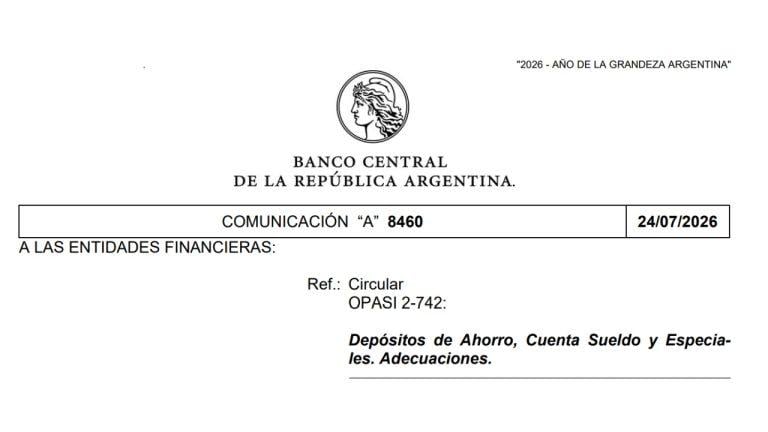
S. dollars. On Friday, the central bank issued Communication “A” 8460 titled “Savings, Salary, and Special Accounts.
Adjustments,” directed to private banks and financial institutions to incorporate the U.S. dollar as an admitted currency for wage operations.
The document stresses that these institutions are to “include the U.S. dollar as an accepted currency for deposits into the ‘Salary Account’ provided for in point 2.
1 of the consolidated text on Savings, Salary, and Special Accounts.” Furthermore, the bank stressed that private banks must accept and support deposits and withdrawal operations involving the U.S.
dollar to service customers taking advantage of this new possibility, providing these services gratuitously. The move is a follow-up to the inclusion of this possibility in the Labor Modernization Law, which previously authorized the payment and collection of wages in foreign currency but left digital wallets out, and follows the presentation of a Deregulation bill that also seeks to dynamize the national financial market. The companies enticed to take advantage of this opportunity are those that receive payments in dollars, including commodity exporters, software development houses, and digital design and marketing, among others.
Most of these companies were already paying their employees in dollars, but did it informally through foreign accounts or other methods. Firms that don’t receive payments in dollars are unlikely to pay in foreign currency, as they are still limited from accessing the official forex market by law. Even so, there is another issue: the historical distrust that Argentines have of banking institutions, having faced a dreaded cash withdrawal limitation established in 2001, informally denominated “corralito.”
The currency of payment must be agreed upon between employer and employee, and the adoption of the dollar will depend on the employees’ willingness to receive their payments through national banks, choosing to place their trust in the national banking system. Argentina Proposes Sweeping Deregulation Bill to Modernize Capital Markets With Crypto and BlockchainThe new law project, proposed by Deregulation Minister Federico Sturzenegger, would allow investment funds to invest in digital assets, the…Read NowArgentina Proposes Sweeping Deregulation Bill to Modernize Capital Markets With Crypto and BlockchainThe new law project, proposed by Deregulation Minister Federico Sturzenegger, would allow investment funds to invest in digital assets, the…
Read NowArgentina Proposes Sweeping Deregulation Bill to Modernize Capital Markets With Crypto and BlockchainRead NowThe new law project, proposed by Deregulation Minister Federico Sturzenegger, would allow investment funds to invest in digital assets, the… Argentina’s Central Bank directed private banks to process US dollar wages, expanding financial options. The policy targets dollar-earning firms, allowing them to formalize previously informal foreign payments.
Adoption of this measure relies heavily on worker trust in local banks due to the 2001 withdrawal limitations. Michael Saylor Rolls out Net BTC and BTC Hurdle ARR to Reframe Strategy's $64 Billion Bitcoin Bet $111 per Share: SpaceX Plunges to New Low as Musk’s Fortune Bleeds $35 Billion in One Day Falcon Finance Launches USDf Card in More Than 90 Jurisdictions for Daily Spending Musk's SpaceX Targets Thursday Starship Flight as Stock Slips Well Below Its $135 IPO Price 'Japan's Wealth Is Returning': Anonymous BOJ Insider Sparks Panic Over Looming Carry Trade Unwind The Target Is Pix: Why the US Is Imposing Unprecedented Tariffs Over Brazil’s Free Payment System EIF’s Megawatt Verdict: Not Every Bitcoin Mine Is Ready for AI Why Mass Automated Outreach Is Burning Web3 Partnerships—and What to Do Instead Ring Protocol Adds Orbs Tools Across 4 Networks, Giving Traders Precise On-Chain Order Control 5 Years After the Bitcoin Law, Crypto Accounts for Just 0.7% of El Salvador’s $5B Remittance Market Physicists Recreated the Way a Spinning Black Hole Leaks Energy, on a Tabletop EIF’s Megawatt Verdict: Not Every Bitcoin Mine Is Ready for AI Why Mass Automated Outreach Is Burning Web3 Partnerships—and
Đọc thêm từ Tiền số / Crypto
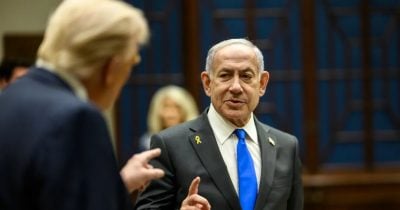
Netanyahu: Israel-Iran war ends only with Iran regime collapse or nuclear halt
Netanyahu's stance may prolong conflict, affecting regional stability and global markets, as it hinges on Iran's regime change or nuclear halt. The post Netanyahu: Israel-Iran war ends only with Iran regime collapse or nuclear halt appeared first on Crypto Briefing.
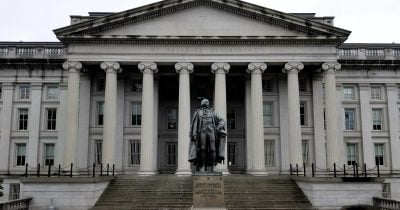
US government quietly builds $27B corporate portfolio without a public ledger
The lack of transparency in the US government's corporate investments raises concerns about accountability and potential market impacts. The post US government quietly builds $27B corporate portfolio without a public ledger appeared first on Crypto Briefing.

Trump proposes 50% tariff on Canadian imports including Bauer goods
The proposed tariffs could strain US-Canada trade relations, impact consumer prices, and create market volatility, affecting various sectors. The post Trump proposes 50% tariff on Canadian imports including Bauer goods appeared first on Crypto Briefing.
‘We’re Gonna Need Another Color’: Michael Saylor Fuels Speculation Over Strategy’s Next Bitcoin Move
Michael Saylor’s latest bitcoin chart comes as Strategy holds 843,775 BTC, maintains a $3.225 billion cash reserve, and still has authorization to sell up to $23.53 billion of additional stock to raise capital, sharpening questions over whether the company will resume bitcoin pur