Asia disputes forced labour claims used to justify latest US tariffs
The new tariffs have been called 'regrettable' and 'unjustified'.
Asia disputes forced labour claims used to justify latest US tariffsSign up now: Get ST's newsletters delivered to your inboxCountries hit with the higher US tariff rate rejected Washington’s claims that forced labour exists in their supply chains. PHOTO: REUTERSChew Hui MinPublished Jul 24, 2026, 09:05 PMUpdated Jul 24, 2026, 09:05 PMSet as preferred sourceSummariseThe US imposed new 10-12.5% tariffs on 60 countries, citing forced labour claims that many affected nations, including Japan and Australia, strongly deny as unfounded.
Countries with trade agreements like Japan and South Korea seek to uphold existing deals, limiting tariff increases and maintaining close communication with the US.Reactions vary from muted acceptance in China and Thailand to concerns over trade tensions, while US investigations continue, potentially leading to more tariffs on overproducing countries.AI generatedSINGAPORE - Asia’s major economies pushed back against allegations of forced labour, used by the United States on July 24 to impose yet another round of tariffs and seen by many as a pretext by Washington to maintain a “tariff wall” on its trading partners.
Those affected – many of which are now saddled with a slightly higher rate of 12.5 per cent as compared to a flat rate of 10 per cent – said the claims of forced labour are unfounded.Japan’s Chief Cabinet Secretary Minoru Kihara called the tariffs “regrettable” while asserting that the country’s industries and trade practices “comply with international rules”.
Australia’s Trade Minister Don Farrell said the tariffs were “unjustified”, and called for them to be removed.“Australia’s measures to combat forced labour and modern slavery are among the strongest in the world, and we are recognised globally, including in the US, for our leadership,” he told Australian media.Ajay Srivastava, founder of the Global Trade Research Initiative, a Delhi-based research group, told The Straits Times that the latest US tariff “lacks a credible factual basis”.
“The United States has not produced evidence that India imports goods made with forced labour,” he said.“The tariff, therefore, appears to serve primarily as a mechanism to preserve the Trump administration’s tariff wall … rather than as a targeted response to a proven forced-labour problem involving India.”
Coming into effect on July 24, the 10 per cent to 12.5 per cent tariffs are imposed on 60 US trading partners who have allegedly used forced labour in their supply chains.In February, after US President Donald Trump’s April 2025 “reciprocal” tariffs were struck down by the Supreme Court, he imposed a 10-per-cent tariff on imports which lasted 150 days and were due to expire on July 24.
In the meantime, the US began investigations using Section 301 of the Trade Act of 1974, which addresses unfair foreign practices affecting US commerce.The results of the probe were announced in June, and after about a month the tariffs kicked in, just as the 150-day temporary duties expired.The US trade department said these were determined after months of investigation into forced labour in these countries’ supply chains.
A 10-per-cent rate will be placed on countries that have taken some action to prevent the import of forced labour goods, and these include Bangladesh, Cambodia, India, Indonesia, Malaysia, Mexico, Pakistan, Sri Lanka and the United Kingdom.The higher 12.5-per-cent rate will apply to most other US trading partners, including China, Japan and South Korea.
Imports such as fuel, foods and fertilizers will be exempt, as well as products such as automobiles, metals and drugs that are covered by separate levies.Economies with existing trade agreements with the US, such as the EU, Taiwan, Japan, South Korea and Switzerland, will get exemptions from the new tariffs in line with existing deals.Japan’s Kihara emphasised that the US and Japan are committed to their trade pact from 2025.
More on this topicTrump hits Singapore with new 12.5% tariff, affecting one-third of exports to USST Explains: What does Trump’s new tariff on ‘forced labour’ mean for Singapore trade?“We share the understanding with the US that last year’s agreement remains unchanged, and that both sides are committed to its implementation.
We have also confirmed with the US that, ultimately, no additional tariffs exceeding the terms of last year’s agreement will be imposed on Japan,” he said.The agreement reached in July 2025 set the US’ “reciprocal tariff” on Japanese goods at 15 per cent in exchange for a US$550 billion (S$710 billion) Japanese investment package. This means that with the new rate of 12.
5 per cent, Japan faces a slightly lower tariff rate than that of the 2025 trade pact.Similarly, the South Korean government said the US is still committed to a Seoul-Washington tariff agreement reached in 2025 that set tariffs on South Korean goods at 15 per cent.“We have requested that the US side comply with the Korea-US trade agreement,” the Yonhap news agency reported the Mi
Đọc thêm từ Thế giới
Pop Culture: The rise and fall of the drive-in movie theatre
With social media bans for teens a hot topic for parents from Canberra to Camrose, the perils of the small screen have never been in starker focus. But nearly 95 years ago, all eyes were on the big screen — the outdoor cinema had arrived, and families greeted the development with
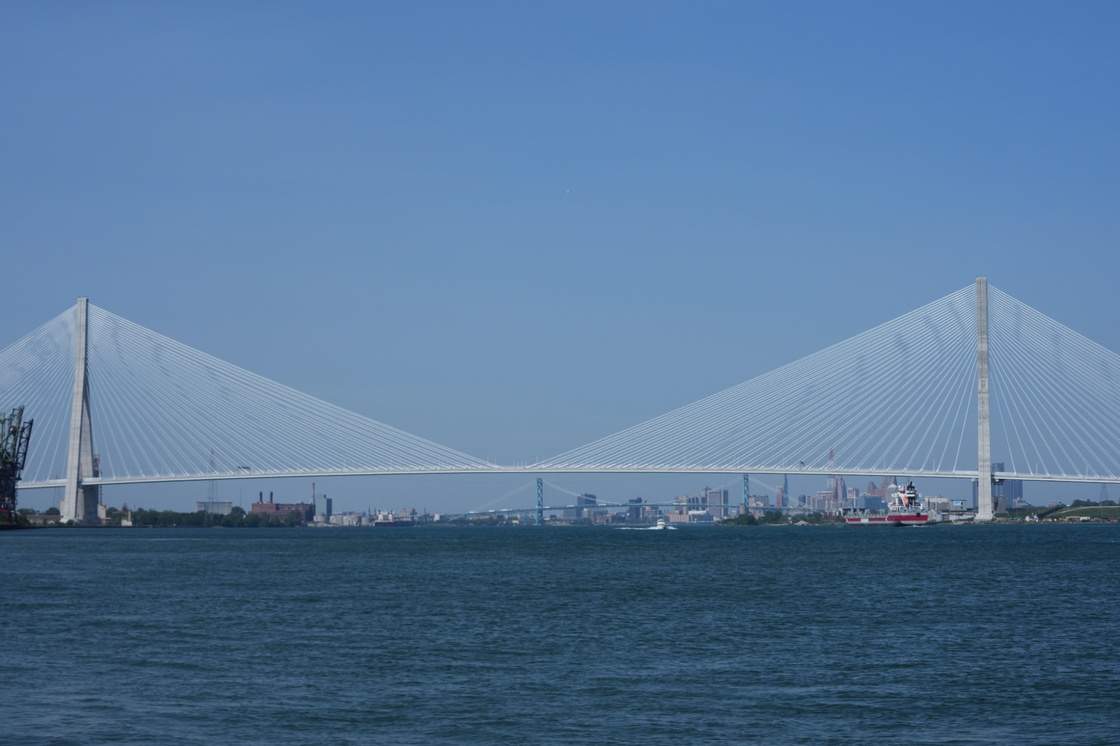
Canada to mark Gordie Howe bridge opening amid U.S. trade tensions
Prime Minister Mark Carney, who is visiting a national park in Newfoundland and Labrador to highlight the Canada Strong Pass, will be skipping the event.

Mining billionaire to reward Commonwealth Games medallists with bonuses
Australia’s richest woman to pay win bonus to swimmers at Commonwealth Games
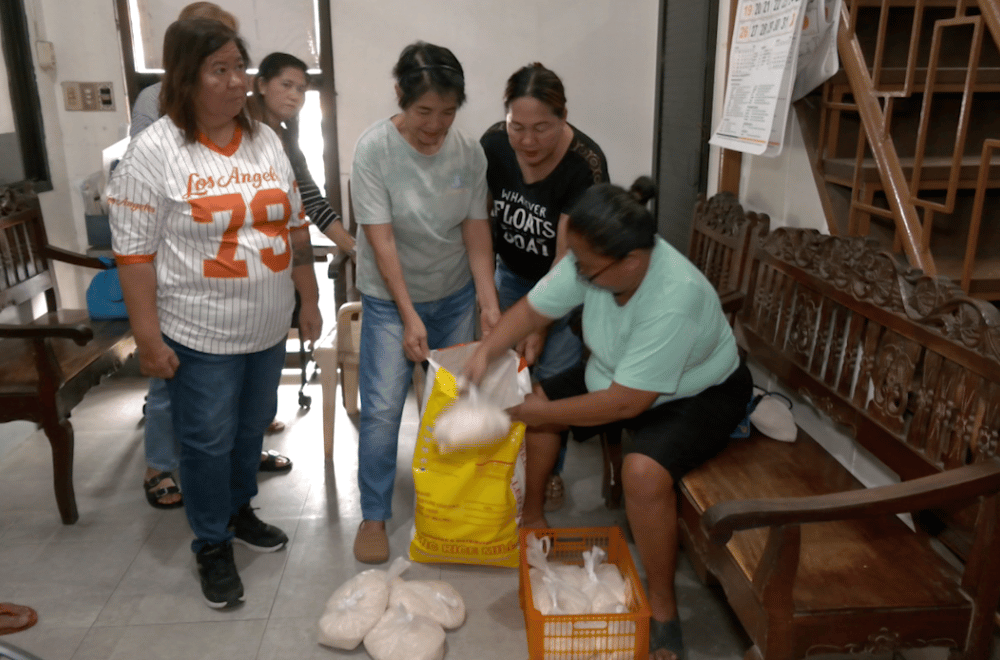
Region 1 braces for possible effects of Kiyapo
Local disaster officials in Pangasinan and neighboring regions stepped up preparations for Severe Tropical Storm Kiyapo on Friday, July 24, 2026, stockpiling relief supplies, activating emergency teams and raising alert levels as the storm threatened to bring heavy rain and stron