Brent crude prices drop 11% to $85.87 after US-Iran ceasefire, and crypto markets are paying attention
The US-Iran ceasefire's impact on oil prices may ease inflation, but unresolved tensions and crypto sanctions could disrupt financial markets. The post Brent crude prices drop 11% to $85.87 after US-Iran ceasefire, and crypto markets are paying attention appeared first on Crypto
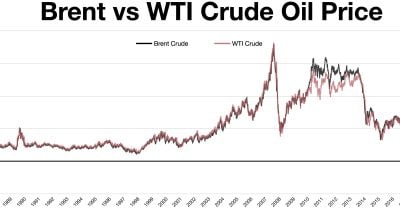
Via en.wikipedia.org Brent crude prices drop 11% to $85.
87 after US-Iran ceasefire, and crypto markets are paying attention A sudden pause in US-Iran hostilities just wiped out weeks of oil price gains, with ripple effects reaching Bitcoin and digital assets Share Add us on Google by Editorial Team Jul. 27, 2026 Brent crude just had one of its worst single sessions in recent memory, plunging as much as 11% to roughly $85-$87 per barrel. The catalyst: President Trump announced that Washington halted strikes against Iran at Tehran’s request, effectively establishing a ceasefire that markets had been hoping for but not exactly expecting this quickly.
What happened and why oil cratered The sequence of events has been building for months. Multiple escalations between the US and Iran punctuated the period from May through July 2026, keeping energy traders on edge and Brent crude elevated on supply disruption fears. The Strait of Hormuz, for context, handles roughly a fifth of the world’s daily oil consumption.
When the two countries with the most influence over that chokepoint start exchanging blows, oil traders don’t sleep well. Advertisement Trump’s statement that Iran itself requested the pause in hostilities shifted sentiment dramatically. A reported 60-day ceasefire extension between May and July gave markets enough confidence to start unwinding the geopolitical risk premium that had been baked into crude prices for weeks.
The crypto connection is real this time Bitcoin approached $72,000 during early April 2026 when initial ceasefire reactions hit markets, and it has stabilized around $65,000 during the July pause in hostilities. The US sanctioned Iran’s central bank-linked crypto wallets in July 2026, a move that led Tether to freeze $131 million in USDT. Washington is actively using the crypto rails as part of its sanctions enforcement toolkit, which means oil geopolitics and digital asset operations are now directly intertwined.
What this means for investors The immediate effect of cheaper oil is straightforward: inflationary pressure decreases. If Brent stays in the mid-$80s rather than pushing toward $100 or higher, the Fed has more room to consider rate adjustments. The May-through-July period featured multiple escalations before each pause.
A 60-day ceasefire extension sounds reassuring until you remember that 60 days is not very long, and the underlying disputes between Washington and Tehran haven’t been resolved. If sanctions enforcement continues to target crypto wallets linked to Iranian entities, it could create liquidity disruptions in USDT markets, particularly in regions where Tether serves as a de facto dollar substitute. Bitcoin’s behavior during this period suggests it functions as a barometer for geopolitical risk appetite rather than a hedge against it.
When tensions rise, Bitcoin tends to sell off alongside other risk assets. When tensions ease, it rallies. Disclosure: This article was edited by Editorial Team.
For more information on how we create and review content, see our Editorial Policy. MACRO Brent crude prices drop 11% to $85.87 after US-Iran ceasefire, and crypto markets are paying attention A sudden pause in US-Iran hostilities just wiped out weeks of oil price gains, with ripple effects reaching Bitcoin and digital assets by Editorial Team Jul.
27, 2026 Share Add us on Google Via en.wikipedia.org Brent crude just had one of its worst single sessions in recent memory, plunging as much as 11% to roughly $85-$87 per barrel.
The catalyst: President Trump announced that Washington halted strikes against Iran at Tehran’s request, effectively establishing a ceasefire that markets had been hoping for but not exactly expecting this quickly. What happened and why oil cratered The sequence of events has been building for months. Multiple escalations between the US and Iran punctuated the period from May through July 2026, keeping energy traders on edge and Brent crude elevated on supply disruption fears.
The Strait of Hormuz, for context, handles roughly a fifth of the world’s daily oil consumption. When the two countries with the most influence over that chokepoint start exchanging blows, oil traders don’t sleep well. Advertisement Trump’s statement that Iran itself requested the pause in hostilities shifted sentiment dramatically.
A reported 60-day ceasefire extension between May and July gave markets enough confidence to start unwinding the geopolitical risk premium that had been baked into crude prices for weeks. The crypto connection is real this time Bitcoin approached $72,000 during early April 2026 when initial ceasefire reactions hit markets, and it has stabilized around $65,000 during the July pause in hostilities. The US sanctioned Iran’s central bank-linked crypto wallets in July 2026, a move that led Tether to freeze $131 million in USDT.
Washington is actively using the crypto rails as part of its sanctions enforcement toolkit, which means oil geopolitics and digital asset
Đọc thêm từ Tiền số / Crypto
Can Bitcoin outperform gold? THESE macro events may hold the answer
Bitcoin and gold face a decisive week as macro events reshape risk appetite after the U.S.-Iran ceasefire.

Iran executes three protesters in Isfahan amid ongoing unrest
The executions may intensify domestic unrest and international scrutiny, potentially accelerating political shifts in Iran's leadership. The post Iran executes three protesters in Isfahan amid ongoing unrest appeared first on Crypto Briefing.
What Is a Digital Commodity?
A digital commodity is an onchain asset that draws its value from open-market supply and demand rather than from the work of a company or central issuer. Assets in this category are freely transferable and traded on public markets, which makes them behave more like traditional co

Oil prices plunge 7%-9% but US stocks, bonds remain stable
The stability of U.S. stocks and bonds amid oil price volatility suggests resilience in financial markets, requiring significant catalysts for change. The post Oil prices plunge 7%-9% but US stocks, bonds remain stable appeared first on Crypto Briefing.