China’s Humanoid Output Surges While Samsung Launches Dedicated Robotics Division
The global race for supremacy in physical artificial intelligence is accelerating as East Asian tech hubs pivot from software models... China’s Humanoid Output Surges While Samsung Launches Dedicated Robotics Division comes via ChinaTechNews.com.
The global race for supremacy in physical artificial intelligence is accelerating as East Asian tech hubs pivot from software models to hardware automation. Industrial metrics released by China’s Ministry of Industry and Information Technology reveal a historic surge in domestic humanoid robot production, while South Korean tech giant Samsung Electronics officially established a dedicated robotics division to turn physical AI into its next core growth driver. The rapid convergence of advanced artificial intelligence and mechanical engineering marks a decisive shift in how global technology leaders plan to address manufacturing bottlenecks, declining labor pools, and operational efficiency.
According to first-half economic data released by China's Ministry of Industry and Information Technology, the country’s humanoid robotics sector is experiencing exponential growth. Domestic manufacturers now produce more than 400 complete humanoid robot models, accounting for over half of the global market total. The physical output figures highlight a massive supply-chain expansion.
Nationwide output reached approximately 20,000 units throughout all of 2025. In contrast, production in just the first half of 2026 surpassed 40,000 units, putting the full-year projection on track to exceed 100,000 units. Industry analysts consider the next two to three years a critical window for commercializing physical AI.
Backed by a robust domestic supply chain for sensors, integrated joints, and AI models, China's robotics ecosystem continues to attract substantial international investment, with overseas capital increasingly bullish on local hardware integration. As Chinese factories ramp up volume manufacturing, Samsung Electronics is taking direct steps to secure its foothold in the physical AI sector. The South Korean technology conglomerate announced Tuesday the creation of a specialized division named Robotics eXperience, or RX, designed to oversee mid- to long-term strategy, core technology development, and international business execution.
The new division reports directly to Samsung Chief Executive Officer T.M. Roh.
Executive Vice President Lee Dongkun, a veteran robotics strategist who previously led robotics initiatives at Hyundai Motor Group and Boston Dynamics, has been appointed to lead the strategic team. To bolster its technological edge, Samsung plans to construct dedicated robotics research centers across key innovation markets, including the United States, China, and Japan. The company previously laid the groundwork for this strategy in late 2024 by acquiring a controlling stake in South Korean robotics manufacturer Rainbow Robotics.
Samsung’s immediate operational strategy focuses on deploying manufacturing and logistics humanoids within its own production plants to collect operational data and refine hardware performance. Once validated internally, Samsung plans to commercialize these platforms for external industrial clients before expanding into retail and home assistant markets.
Đọc thêm từ Công nghệ

Samsung Galaxy Z Flip8 vs. Motorola Razr 70 Ultra : quel smartphone pliable au format clapet choisir ?
Le Moto dispose de l'un des meilleurs logiciels disponibles sur un téléphone, mais comment se positionne-t-il face à son tout nouveau concurrent ?
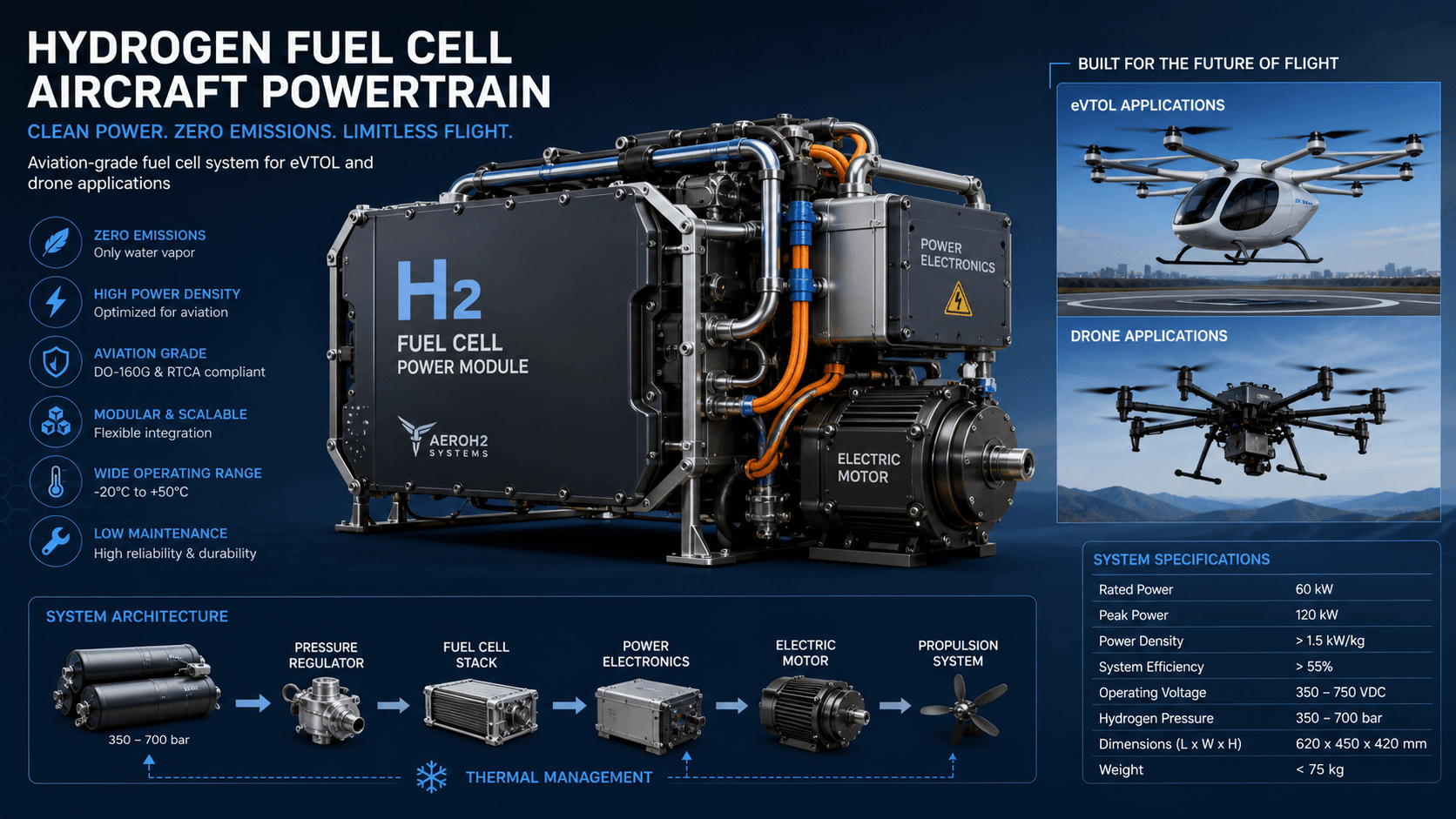
Tsinghua PhD Team Startup YiQing Power Develops Hydrogen Fuel Cell Heart for Aircraft: Scalable from 30kW Liquid-Cooled to 300kW Aviation-Grade Systems
YiQing Power completes tens of millions angel+ round, liquid-cooled fuel cell from 30kW to 110kW, Comac supplier for hydrogen propulsion, air-cooled variant for drone long-endurance achieving 30-hour flight.
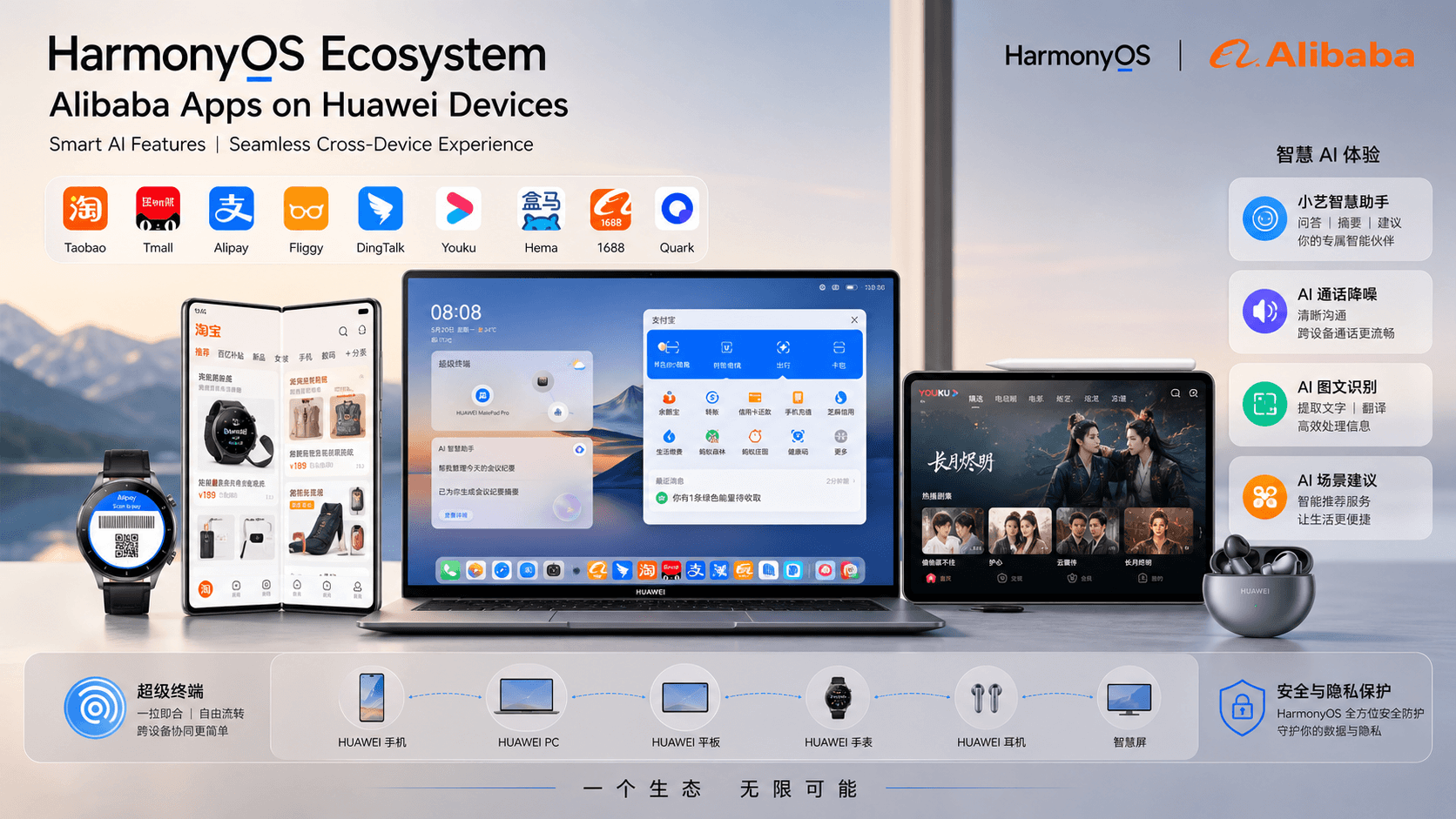
Alibaba Launches 20+ Apps With 50+ Innovation Features on HarmonyOS: From Qwen AI Agent to Amap AR Navigation, Ali Ecosystem Goes Deep on Huawei Platform
Alibaba delivers over 50 HarmonyOS-native innovations across 20+ apps including Amap AR walking, DingTalk AI meeting via Xiaoyi, Taobao immersive browsing, and Qwen unified drag-drop AI analysis.
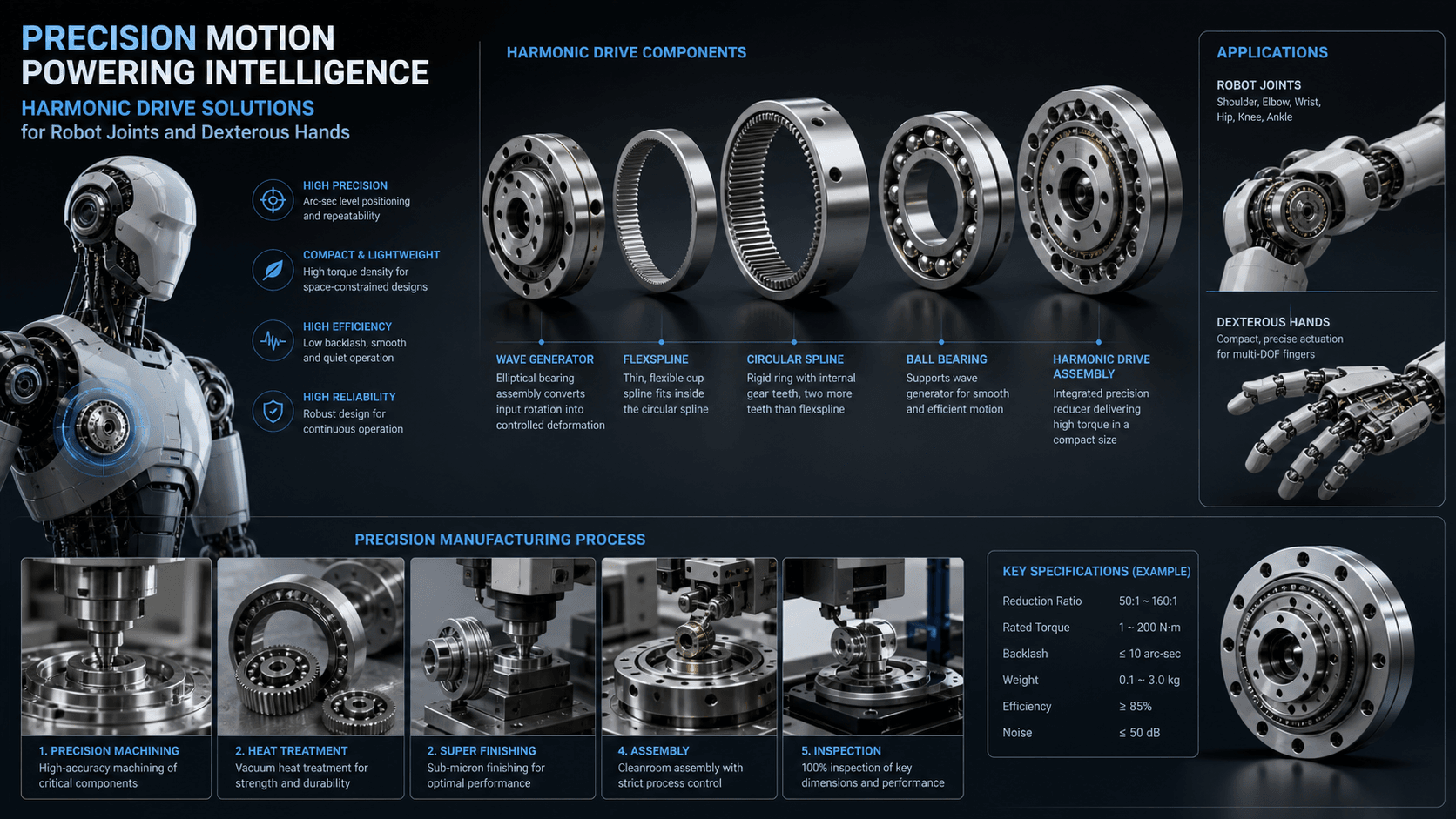
Unitree Price War Forces Harmonic Drive Suppliers Out of Comfort Zone: Robot Cost Squeeze Reshapes Supply Chain as Leaderdrive and Competitors Diversify
Unitree R1 humanoid drops below 30K yuan, Morgan Stanley raises 2026 forecast to 50K units, as Leaderdrive and Shuanghuan Drivetrain cross into each other turfs and Zhaowei builds dexterous hand plant.