I’ve been teach college students for decades. Most of them can no longer finish a book
I assume students will do the reading of long, dense texts, week after week. Lately, that assumption has started to feel naive.
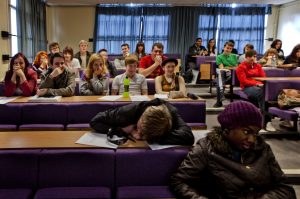
I have spent two decades teaching humanities and social sciences at Amherst College, and my classes have always been built on one assumption: that students would do the reading. Long, dense texts, week after week. Lately, that assumption has started to feel naive.
Students now come to my office not to discuss what they’ve read, but to ask how to skim it. I generally refuse. I try instead to teach them close reading — the slow, deliberate kind that can’t be shortcut.
But I’ve started to wonder whether I’m fighting a trend that started long before these students ever reached my classroom. The numbers behind my hunch I’m not imagining this. A 2024-2025 surveys of 1,250 high school English teachers found they assigned an average of 2.
81 full books a year — down from four books annually in a comparable 2008-2009 survey of 400 teachers. Some high schoolers now read no complete books at all, only excerpts. The decline isn’t confined to teenagers.
Sunil Iyengar, who directs research at the National Endowment for the Arts, found in 2024 that only 49% of adults reported reading at least one book in the past year, down from nearly 55% a decade earlier. Reading proficiency is falling too: 32% of 12th graders scored below basic reading levels in 2025, up from 24% in 2002. Martin West, an education professor at Harvard, has said American literacy skills peaked in the mid-2010s and have been falling since.
Why this feels personal Reading has been central to American life since Harvard opened in 1636, assuming its entering students were fluent not just in English but in Greek and Latin. Thomas Jefferson said he “cannot live without books.” That inheritance feels newly fragile to me every time a student asks for a shortcut instead of a way in.
This isn’t the first time higher education has faced a reading crisis. In the 19th century, colleges expanding access found that many admitted students weren’t ready for the demands of academic reading — and responded by building preparatory r
Đọc thêm từ Kinh doanh
I paid $1,500 to upgrade my Delta flight from NYC to Paris. Here's what I got, and whether I'd do it again.
The author was offered a $1,500 upgrade to Delta One at check-in. She bought the premium ticket and details whether the experience was worth it.
Last chance to apply for help with school costs
The bonus scheme offers a one-off payment of up to £150 towards school essentials.
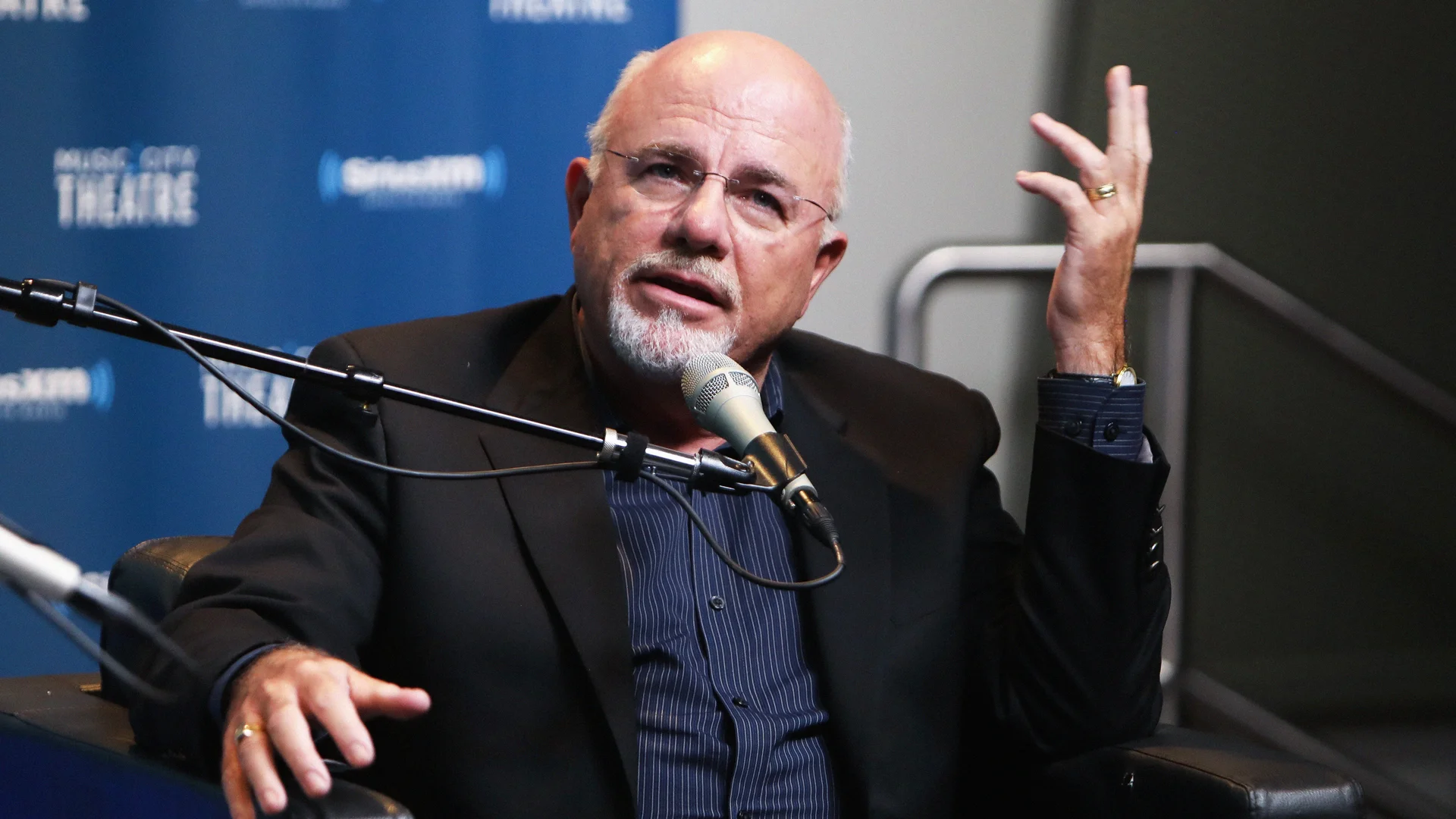
Dave Ramsey Says This Mistake Can Turn Your Dream Business Into a Job You Hate
Too many founders wake up one day feeling trapped by the company they created, says Dave Ramsey. Here’s how to avoid that.
A preventive neurologist shares 3 simple habits she follows to help reduce her Alzheimer's risk
Preventive neurologist Dr. Kellyann Niotis focuses on strength training, zone 4 cardio, and lots of hydration to keep her brain sharp.