Iran reports Ukrainian drone strike killed sailor on Caspian Sea vessel
Ukrainian drone strikes in the Caspian Sea killed a sailor on an Iran-linked vessel, escalating conflict risks for energy markets and crypto The post Iran reports Ukrainian drone strike killed sailor on Caspian Sea vessel appeared first on Crypto Briefing.
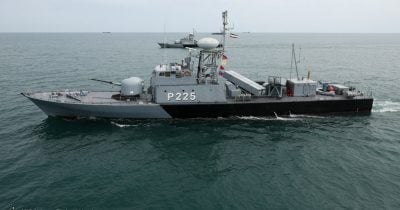
Iran reports Ukrainian drone strike killed sailor on Caspian Sea vessel Ukraine's drone campaign expands into the Caspian Sea as Kyiv targets the Iran-Russia military supply corridor, raising new risks for global energy and shipping markets. Share Add us on Google by Editorial Team Jul. 25, 2026 A Ukrainian drone strike on a vessel in the Caspian Sea killed a sailor, according to Iran, marking a significant escalation in a conflict that keeps finding new geography to destabilize.
The incident is part of a broader Ukrainian military operation targeting ships believed to be ferrying Iranian military supplies to Russia. What happened in the Caspian On July 25, Ukrainian President Volodymyr Zelenskyy announced long-range drone strikes targeting Russian naval assets and cargo vessels in the Caspian Sea. The operation hit multiple targets, including the sanctioned cargo ships Port Olya-2 and Begey, along with a Project 12418 Molniya-class missile boat.
The targeted vessels had reportedly been used to transport Iranian military supplies to Russia, including ammunition, artillery shells, body armor, helmets, and components for Shahed drones. Those are the same Iranian-made drones Russia has been using extensively against Ukrainian civilian infrastructure for years. Advertisement The Caspian Sea had previously been considered a relatively safe zone for Russian naval operations.
It’s landlocked, far from Ukraine’s borders, and surrounded by nations that have largely stayed out of the conflict. Ukraine reaching it with long-range drones represents a meaningful expansion in Kyiv’s operational range and strategic ambition. The supply corridor Ukraine wants to cut As Western sanctions have tightened around conventional shipping routes, Russia and Iran have increasingly relied on Caspian ports to move military cargo between the two countries.
Artillery shells and drone components directly fuel Russia’s ability to sustain offensive operations in Ukraine. There have been previous Ukrainian strikes on Russian assets in the Caspian region throughout 2026, suggesting a sustained campaign rather than a one-off operation. The fact that both Port Olya-2 and Begey were already under international sanctions raises questions about enforcement, as these vessels were still operating despite being designated.
Why crypto and macro traders should care The Caspian Sea region accounts for significant oil and gas production and transit capacity. Kazakhstan, Turkmenistan, and Azerbaijan all use Caspian infrastructure to export hydrocarbons. Military operations in those waters, even if targeted at specific vessels, create insurance risk premiums for all shipping in the area.
Iran’s involvement adds another layer. Tehran is already under heavy sanctions, and its growing military cooperation with Russia has been a focal point for Western policymakers. If this incident triggers additional sanctions on Iranian entities or Caspian shipping networks, it could further constrain oil supply from the region.
Disclosure: This article was edited by Editorial Team. For more information on how we create and review content, see our Editorial Policy. MACRO Iran reports Ukrainian drone strike killed sailor on Caspian Sea vessel Ukraine's drone campaign expands into the Caspian Sea as Kyiv targets the Iran-Russia military supply corridor, raising new risks for global energy and shipping markets.
by Editorial Team Jul. 25, 2026 Share Add us on Google A Ukrainian drone strike on a vessel in the Caspian Sea killed a sailor, according to Iran, marking a significant escalation in a conflict that keeps finding new geography to destabilize. The incident is part of a broader Ukrainian military operation targeting ships believed to be ferrying Iranian military supplies to Russia.
What happened in the Caspian On July 25, Ukrainian President Volodymyr Zelenskyy announced long-range drone strikes targeting Russian naval assets and cargo vessels in the Caspian Sea. The operation hit multiple targets, including the sanctioned cargo ships Port Olya-2 and Begey, along with a Project 12418 Molniya-class missile boat. The targeted vessels had reportedly been used to transport Iranian military supplies to Russia, including ammunition, artillery shells, body armor, helmets, and components for Shahed drones.
Those are the same Iranian-made drones Russia has been using extensively against Ukrainian civilian infrastructure for years. Advertisement The Caspian Sea had previously been considered a relatively safe zone for Russian naval operations. It’s landlocked, far from Ukraine’s borders, and surrounded by nations that have largely stayed out of the conflict.
Ukraine reaching it with long-range drones represents a meaningful expansion in Kyiv’s operational range and strategic ambition. The supply corridor Ukraine wants to cut As Western sanctions have tightened around conventional shipping routes, Russia and Iran have increasingly relied on Caspian ports to move military cargo betw
Đọc thêm từ Tiền số / Crypto

Inter Miami signs Casemiro as club’s crypto sponsorship history raises questions about digital asset plays in MLS
Casemiro joins Inter Miami to debut against CF Montral. The club's crypto sponsorship history makes this MLS signing relevant for digital asset The post Inter Miami signs Casemiro as club’s crypto sponsorship history raises questions about digital asset plays in MLS appeared firs

Nvidia still owns the AI chip race, but AMD and Intel are making Wall Street reconsider
Nvidia holds 75-81% of AI accelerator revenue in H1 2026, but AMD and Intel stocks surged over 100% as investors rotate toward value plays. The post Nvidia still owns the AI chip race, but AMD and Intel are making Wall Street reconsider appeared first on Crypto Briefing.

Antony Mlelwa Champions Responsible Crypto Adoption Across Africa
AR ES SALAAM, TANZANIA | JULY 2026 Antony Mlelwa is building a distinctly African case for blockchain adoption: technology should be understood before it is promoted, financial risk should be explained before opportunity is celebrated, and education must remain stronger than mark
Why did WLD fall by 9% after World Foundation raised $52.5M via token sale?
WLD's selling pressure tripled in June and it has not fully reverted yet.