Iraq signs pipeline deal with Syria to reroute oil exports through the Mediterranean
Iraq and Syria signed a deal to rebuild the Kirkuk-Baniyas oil pipeline with 2 million bpd capacity, reducing Strait of Hormuz reliance and The post Iraq signs pipeline deal with Syria to reroute oil exports through the Mediterranean appeared first on Crypto Briefing.
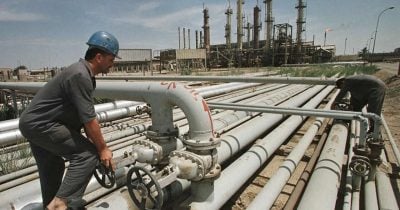
Iraq signs pipeline deal with Syria to reroute oil exports through the Mediterranean The rehabilitated Kirkuk-Baniyas pipeline could move 2 million barrels per day, giving Iraq a critical alternative to the Strait of Hormuz and reshaping energy market dynamics that ripple into crypto. Share Add us on Google by Editorial Team Jul. 25, 2026 Iraq and Syria just formalized an agreement to rebuild a pipeline that has been collecting dust since the 2003 Iraq invasion.
The memorandum of understanding, signed on July 17 during a US-Iraq business summit in Washington, D.C., covers the rehabilitation of the Kirkuk-Baniyas crude oil pipeline, a route stretching from northern Iraq to Syria’s Mediterranean coast.
What the deal actually involves The pipeline connects Iraq’s Kirkuk oil region to the port of Baniyas on Syria’s Mediterranean coast. Before it went offline, the infrastructure handled roughly 700,000 barrels per day. The rehabilitated version is projected to carry significantly more.
The US State Department has cited an initial transport capacity of 2 million barrels per day, nearly tripling the pipeline’s historical throughput. On the corporate side, Iraq’s Basra Oil Company and Syria’s Syrian Petroleum Company are the principal parties. They’re backed by a US-led international consortium that includes Chevron.
Advertisement The US State Department publicly welcomed the agreement. Before this deal materialized, Iraq had already been experimenting with alternative export methods. Truck-based crude shipments to Syria were targeting 50,000 barrels per day, a stopgap measure aimed at working around disruptions in the Strait of Hormuz.
Why the Strait of Hormuz problem won’t go away Roughly 20% of the world’s oil passes through the Strait of Hormuz on any given day. It sits between Iran and Oman, and for Iraq, which is OPEC’s second-largest producer, having essentially one major export route creates significant vulnerability. The Kirkuk-Baniyas pipeline offers geographic diversification.
Mediterranean access opens European markets more directly and avoids the entire Persian Gulf shipping lane altogether. What this means for markets and crypto investors Oil price volatility feeds directly into inflation expectations. Inflation expectations drive central bank policy.
Central bank policy moves risk assets. And crypto, for better or worse, trades like a risk asset. If the rehabilitated pipeline eventually adds 2 million barrels per day of export capacity through a more stable route, that’s a meaningful buffer against supply shocks.
Bitcoin and Ethereum have historically performed better in environments where monetary policy is stable and predictable. If the pipeline project faces delays, security challenges, or political complications, Iraq remains heavily dependent on the Strait of Hormuz, and the next flare-up in the Persian Gulf could send oil prices surging, dragging inflation fears back into the spotlight. Disclosure: This article was edited by Editorial Team.
For more information on how we create and review content, see our Editorial Policy. POLITICS Iraq signs pipeline deal with Syria to reroute oil exports through the Mediterranean The rehabilitated Kirkuk-Baniyas pipeline could move 2 million barrels per day, giving Iraq a critical alternative to the Strait of Hormuz and reshaping energy market dynamics that ripple into crypto. by Editorial Team Jul.
25, 2026 Share Add us on Google Iraq and Syria just formalized an agreement to rebuild a pipeline that has been collecting dust since the 2003 Iraq invasion. The memorandum of understanding, signed on July 17 during a US-Iraq business summit in Washington, D.C.
, covers the rehabilitation of the Kirkuk-Baniyas crude oil pipeline, a route stretching from northern Iraq to Syria’s Mediterranean coast. What the deal actually involves The pipeline connects Iraq’s Kirkuk oil region to the port of Baniyas on Syria’s Mediterranean coast. Before it went offline, the infrastructure handled roughly 700,000 barrels per day.
The rehabilitated version is projected to carry significantly more. The US State Department has cited an initial transport capacity of 2 million barrels per day, nearly tripling the pipeline’s historical throughput. On the corporate side, Iraq’s Basra Oil Company and Syria’s Syrian Petroleum Company are the principal parties.
They’re backed by a US-led international consortium that includes Chevron. Advertisement The US State Department publicly welcomed the agreement. Before this deal materialized, Iraq had already been experimenting with alternative export methods.
Truck-based crude shipments to Syria were targeting 50,000 barrels per day, a stopgap measure aimed at working around disruptions in the Strait of Hormuz. Why the Strait of Hormuz problem won’t go away Roughly 20% of the world’s oil passes through the Strait of Hormuz on any given day. It sits between Iran and Oman, and for Iraq, which is OPEC’s second-largest producer, having essentially one m
Đọc thêm từ Tiền số / Crypto

Bitcoin Miner Poolin Files Bankruptcy, Seeks $52M Texas Asset Sale
Around $167 million of Poolin's debt comes from IOUs issued after customer withdrawals were frozen during 2022's market crash.

China boosts green energy investments amid Iran conflict’s impact on oil demand: FT
China boosts green energy investments as Iran conflict affects oil demand. Crude oil reaching a new all-time high by September 30 at 6.9% YES, by December 31 at. The post China boosts green energy investments amid Iran conflict’s impact on oil demand: FT appeared first on Crypto

Sberbank sets Dec. 1 deadline for Russia crypto trading launch
Sberbank plans crypto trading and digital custody infrastructure by Dec. 1 as Russia’s regulated market framework takes effect Sept. 1 2026.

Brian Armstrong sounds alarm as Coinbase prepares for Bitcoin quantum security
Bitcoin quantum security moved to the forefront after Coinbase unveiled a detailed plan to prepare Bitcoin infrastructure for future advances in quantum computing. Coinbase CEO Brian Armstrong said quantum computing does not pose an immediate threat to Bitcoin. However, Armstrong