The one voice Hong Kong can’t ignore on ride-hailing? The public
The long-awaited earthquake in Hong Kong’s taxi and ride-hailing scene is almost upon us and the questions are how big the initial shock will be, and how many aftershocks we can expect. The important thing in the coming months will be to keep the focus on protecting the interests
AdvertisementHong Kong societyOpinionHong Kong OpinionOpinionMike RowseThe one voice Hong Kong can’t ignore on ride-hailing? The publicThe government must keep its promise to review and adjust permit quotas – or face a backlash from commuters3-MIN READ3-MIN ListenMike RowseMike Rowse is an independent commentator. Published: 5:30am, 27 Jul 2026The long-awaited earthquake in Hong Kong’s taxi and ride-hailing scene is almost upon us and the questions are how big the initial shock will be, and how many aftershocks we can expect.
The important thing in the coming months will be to keep the focus on protecting the interests of the travelling public.More than a decade after Uber first set up in Hong Kong, operating in a regulatory grey area, the administration is finally moving to overhaul our ride-hailing system. Tech platforms will be invited to apply for registration this quarter, with the first batch of licences expected to be awarded by late November.
In the fourth quarter, individual vehicle owners will be invited to apply for one of the initial 10,000 driver permits. The government expects regulated services to begin in December.The reason Hong Kong is late to the ride-hailing party will be familiar to long-time residents: the determination of vested interests in the taxi trade to protect their turf and the government’s unwillingness until recently to confront them.
However, interests within the taxi trade are not monolithic; most of the 40,000 or so drivers do not own their vehicles, instead renting on a shift basis from one of the 9,000 or so individual and company licence holders that control the fleet of around 18,000 taxis.Up to now the interests of the two groups have largely coincided. Will the new regime cause these interests to diverge more sharply?
Will more drivers wish to own their vehicles to enjoy the full fruits of the ride-hailing system?Four tech platforms currently offer ride-hailing services here: Uber, Didi Chuxing, Tada and Amap. Amap is operated by Alibaba Group Holding, which owns the South China Morning Post.
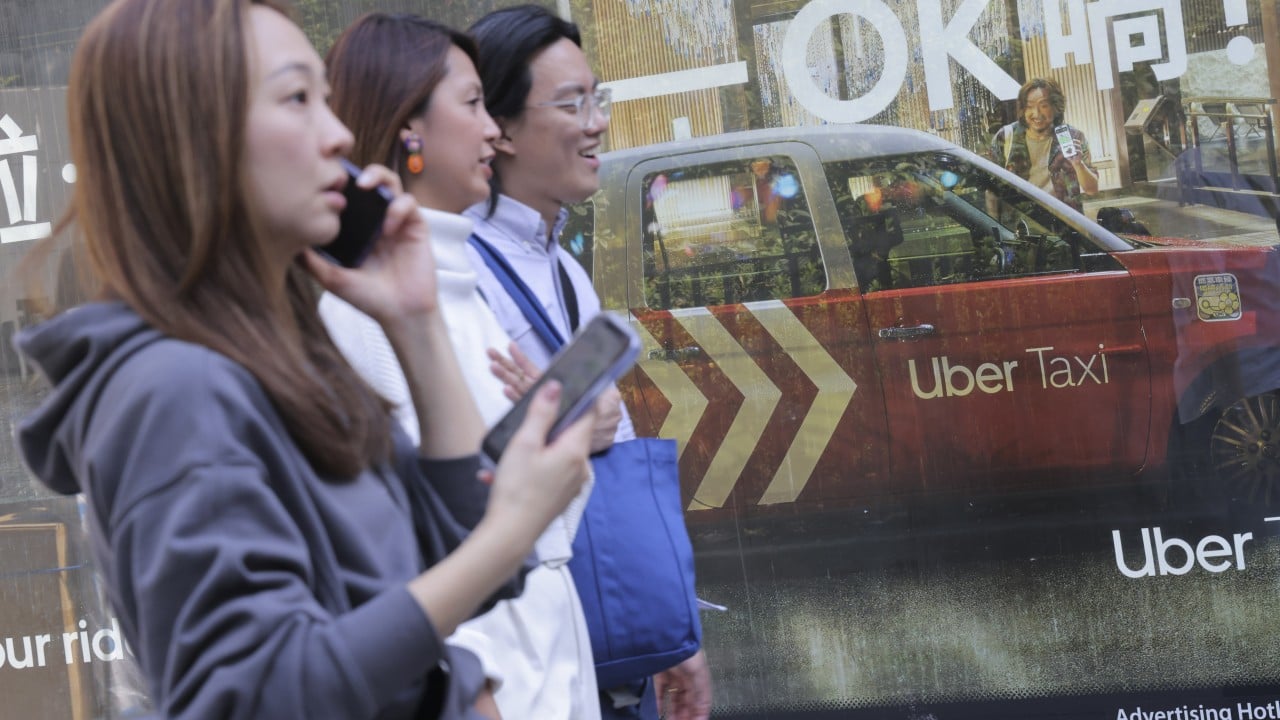
Assuming all apply and are successful – and assuming no last-minute gate-crashers – then an obvious question for 2027 is whether there will be amalgamation, which has tended to be the practice elsewhere in Asia.Ride-hailing apps seen in a mobile phone as a local taxi drives past in Tsim Sha Tsui, Hong Kong on August 29, 2025. Photo: Jelly TseThe nature of the industry favours scale operators as they are better able to offer a comprehensive service, which in turn attracts more drivers to register with them, thus enabling them to provide a better service.
We could start with four and quickly concentrate to one or two dominant players.AdvertisementSelect VoiceSelect Speed0.8x0.
9x1.0x1.1x1.
2x1.5x1.75x00:0000:001.
00x
Đọc thêm từ Tài chính
Venezuela opposition leader Machado says she will not take part in US-backed talks
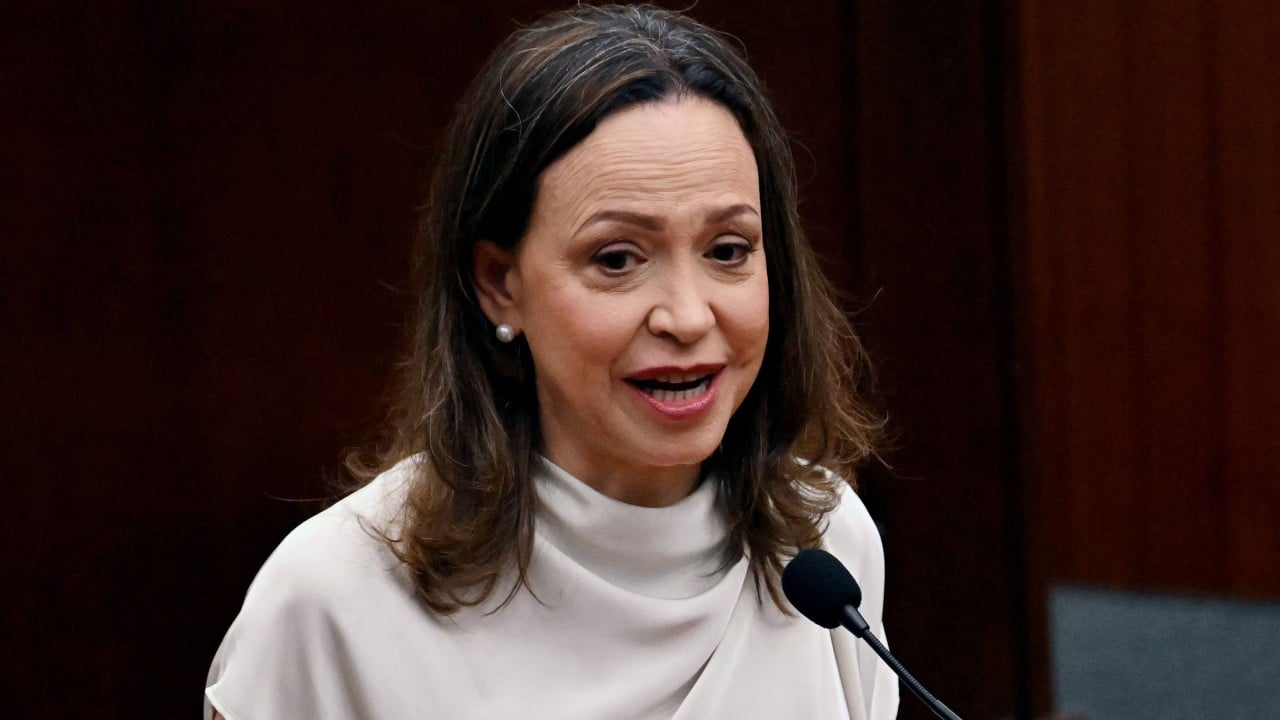
Venezuelan Nobel Peace Prize laureate and opposition leader Maria Corina Machado said on Sunday she will not take part in US-backed talks with the de facto government of Delcy Rodriguez that are scheduled for August. In a statement co-signed by Edmundo Gonzalez Urrutia, who ran f

Nvidia to acquire $1 billion of new shares of South Korea's Naver
Close Top Stories Asia East Asia Singapore World Commentary CNA Explains Sustainability Business Sport Latest News Insider TODAY Big Read Up Close In Pixels Ground Up Voices Adulting Mental Health Matters Watch Live TV News Reports Documentaries & Shows TV Schedule Listen CNA938
Rising oil prices could force up UK interest rates, say economists
Bank of England expected to keep rates on hold on Thursday but renewed Iran conflict casts shadow over energy costsThe Bank of England could be forced to tear up its economic forecasts and raise interest rates later this year if oil prices return to above $100 a barrel, according