Toothy human ancestor may have traveled in all-male packs
The strong and hefty hominin ‘Paranthropus boisei’ may have been more social than scientists thought. The post Toothy human ancestor may have traveled in all-male packs appeared first on Popular Science.
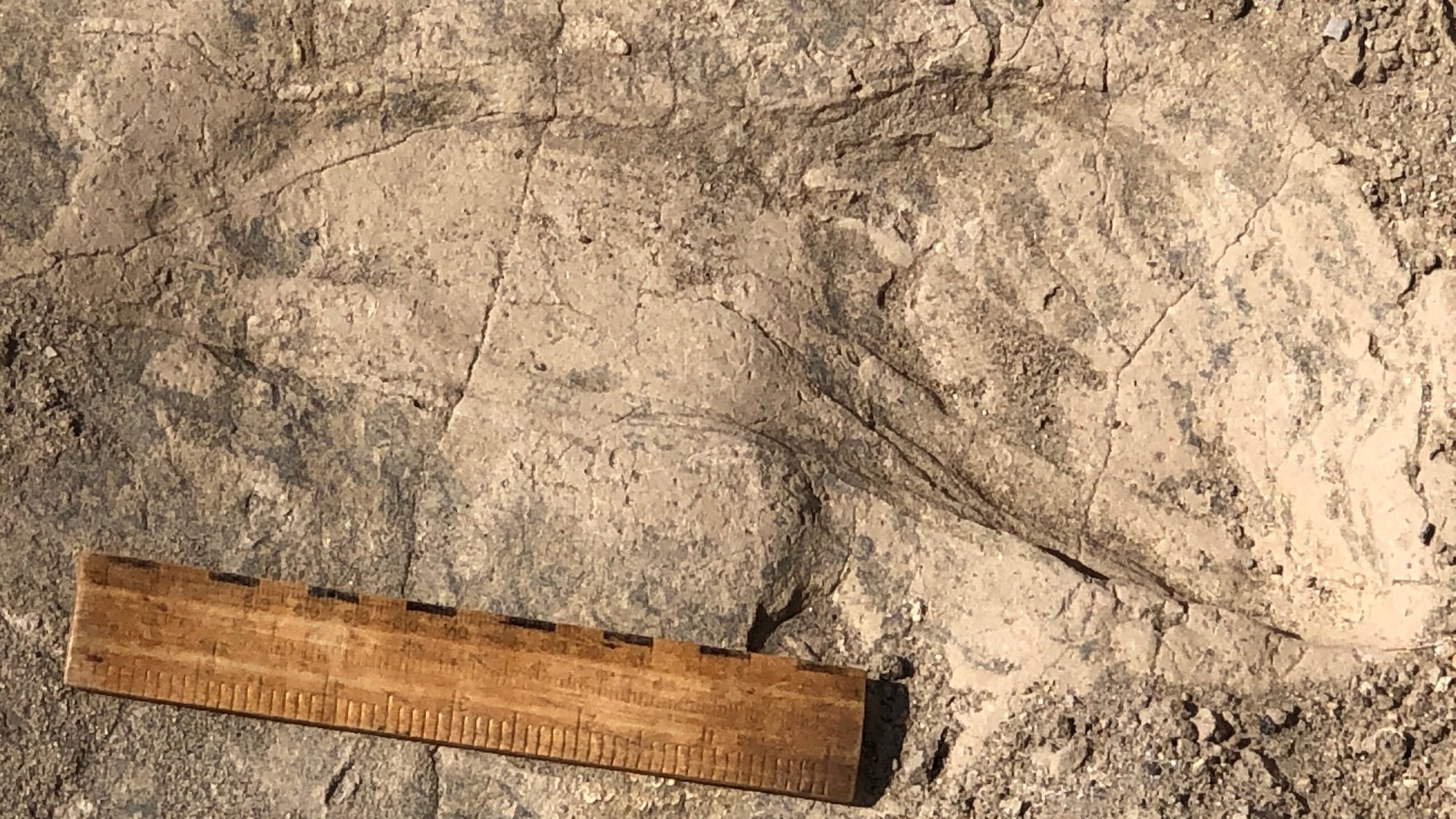
A set of 1.4 million year old footprints indicate that one of our extinct evolutionary ancestors was both larger and more social than we thought. The footprints belonging to a long-deceased hominin called Paranthropus boisei were found preserved on a lakeshore in northern Kenya and, are described in a study published today in the Proceedings of the National Academy of Sciences.
Neanderthals (Homo neanderthalensis) and Homo erectus are some of the most well-known archaic humans, but they are far from the only examples. Dozens of other hominins are documented around the world, including more obscure variants like strong-jawed Paranthropus boisei. Much of the anatomical information about P.
boisei has been gleaned from a handful of skulls and teeth, leaving vague details about overall size and physiology. Once thought less-developed than other members in the family tree, researchers now understand that P. boisei was likely advanced enough to wield tools with a gorilla-strength grip.
Overview of the excavated track surface with a mix of deeper hippopotamus and antelope footprints and shallower hominin tracks visible. Credit: Kay Behrensmeyer / Smithsonian Some of the most invaluable knowledge about P. boisei comes not from body parts, but the imprints they left behind.
In 1978, a team led by Smithsonian National Museum of Natural History paleontologist Kay Behrensmeyer discovered preserved P. boisei footprints along Lake Turkana in northern Kenya. Behrensmeyer returned multiple times over the years to the site known as GaJi10, uncovering more tracks from P.
boisei, as well as ancient antelope, hippopotamuses, and other large animals. In total, researchers inventoried 21 footprints left by eight hominin individuals dating back to the Early Pleistocene about 1.43 million years ago.
Meanwhile, a separate nearby pathway yielded tracks from both P. boisei and H. erectus, proving that the two hominin species shared the same habitat for hundreds of thousands of years.
“We can’
Đọc thêm từ Khoa học
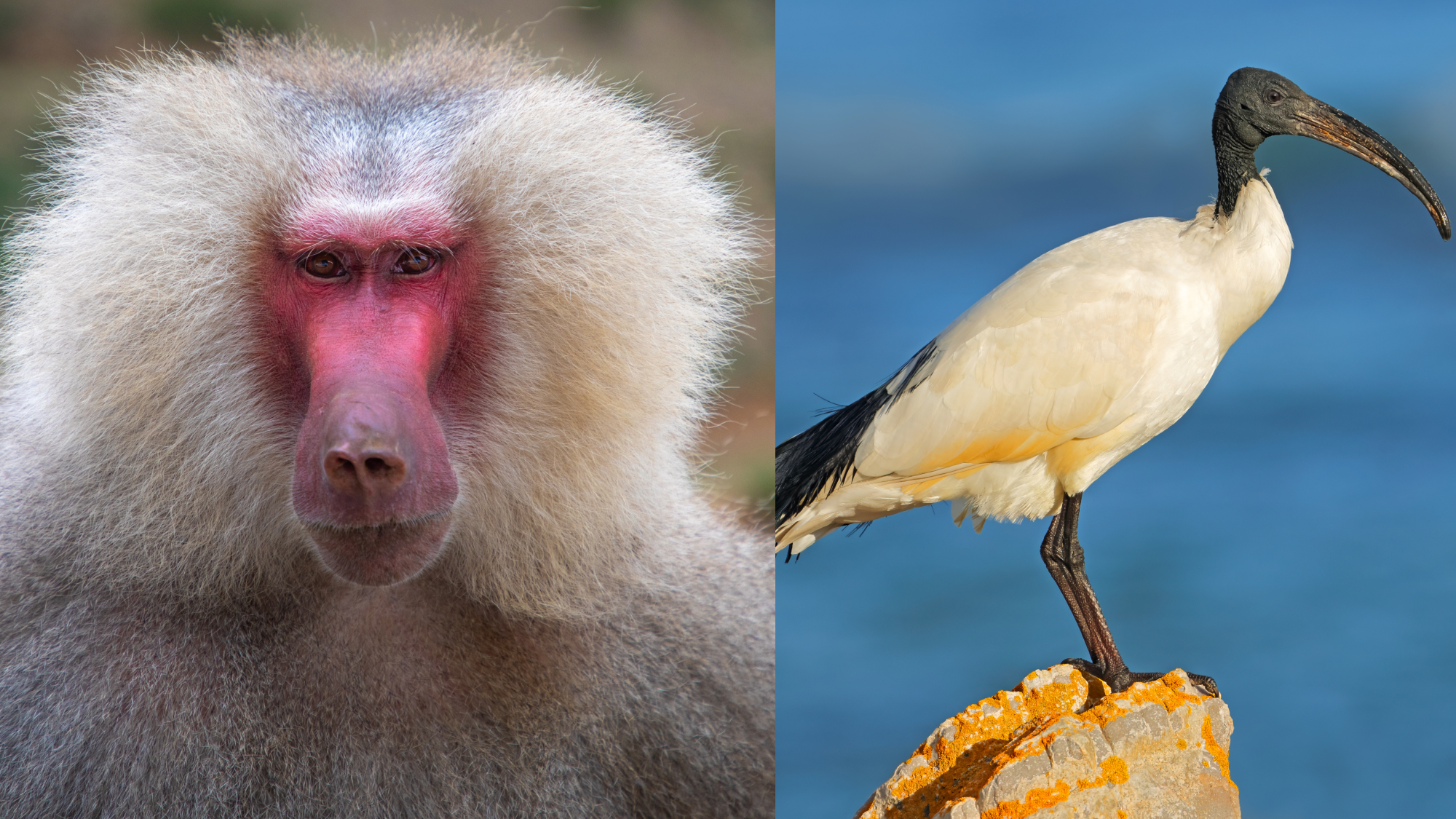
Ancient Egyptian god of magic is sometimes a bird, sometimes a baboon. Now we know why.
It all has to do with moonlight’s iridescent glow. The post Ancient Egyptian god of magic is sometimes a bird, sometimes a baboon. Now we know why. appeared first on Popular Science.

Rocket Lab to start launching missile-defense missions from Alaska under $266 million Space Force deal
Rocket Lab just inked a $266 million deal with the U.S. Space Force to launch up to 18 suborbital missile-defense missions, most of them from Alaska's Pacific Spaceport Complex.

Wildfires 'stark reminder' of extreme climate challenge, says William
The prince's warning comes as wildfires rage in parts of Europe and the UK during a spell of extreme heat.

Peptides are the latest wellness trend – but do they work?
A drug advisory committee in the US has recommended approval for several experimental peptides. But there have been no large-scale tests of these new compounds in humans, finds columnist Grace Wade