US Central Command recommends halting strikes near Strait of Hormuz: Axios
The recommendation to halt strikes may signal a strategic pivot towards de-escalation, impacting market perceptions and diplomatic dynamics. The post US Central Command recommends halting strikes near Strait of Hormuz: Axios appeared first on Crypto Briefing.
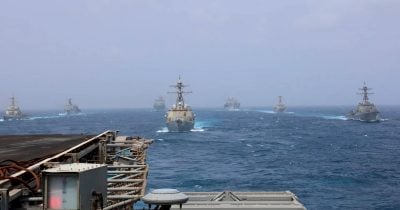
https://www.centcom.mil/ US Central Command recommends halting strikes near Strait of Hormuz: Axios US invasion of Iran Share Add us on Google by Estefano Gomez Jul.
26, 2026 The commander of U.S. Central Command has reportedly recommended stopping military strikes around the Strait of Hormuz, according to sources cited by Axios.
This development follows a series of U.S. strikes targeting Iranian military installations in response to threats to commercial shipping in the strategically significant waterway.
The recommendation to halt these operations suggests a shift from active engagement to an assessment of whether the military objectives have been achieved. This move comes amid ongoing tensions between the U.S.
and Iran, with Iran having targeted commercial vessels and at times restricted passage through the strait. Advertisement Market data indicates a decrease in the perceived likelihood of a U.S.
invasion of Iran, with odds in relevant prediction markets dropping from 24% to 20.5% over the past day. This decline suggests that market participants view the recommendation as potentially de-escalating the conflict.
The broader context remains tense, however, as diplomatic efforts to resolve the situation continue alongside a general pause in military escalation. Key Takeaways The recommendation to stop strikes appears to indicate a shift toward de-escalation in the U.S.
-Iran conflict. Market pricing suggests a decrease in the probability of a U.S.
invasion of Iran, with odds falling to 20.5% YES. The halt in operations reflects a possible reassessment of military objectives achieved in the region.
What to Watch Watch for further statements from U.S. Central Command and the Pentagon regarding future military actions or diplomatic efforts in the region.
Any significant changes in Iranian military posture or new developments in diplomatic negotiations could affect market perceptions. Additionally, observe any comments from President Trump or Defense Secretary Pete Hegseth that might indicate a change in U.S.
strategy or intentions concerning Iran. Get live prediction-market analysis, powered by Vera. Sign up for Vera.
Disclosure: This article was edited by Estefano Gomez. For more information on how we create and review content, see our Editorial Policy. MACRO US Central Command recommends halting strikes near Strait of Hormuz: Axios US invasion of Iran by Estefano Gomez Jul.
26, 2026 Share Add us on Google https://www.centcom.mil/ The commander of U.
S. Central Command has reportedly recommended stopping military strikes around the Strait of Hormuz, according to sources cited by Axios. This development follows a series of U.
S. strikes targeting Iranian military installations in response to threats to commercial shipping in the strategically significant waterway. The recommendation to halt these operations suggests a shift from active engagement to an assessment of whether the military objectives have been achieved.
This move comes amid ongoing tensions between the U.S. and Iran, with Iran having targeted commercial vessels and at times restricted passage through the strait.
Advertisement Market data indicates a decrease in the perceived likelihood of a U.S. invasion of Iran, with odds in relevant prediction markets dropping from 24% to 20.
5% over the past day. This decline suggests that market participants view the recommendation as potentially de-escalating the conflict. The broader context remains tense, however, as diplomatic efforts to resolve the situation continue alongside a general pause in military escalation.
Key Takeaways The recommendation to stop strikes appears to indicate a shift toward de-escalation in the U.S.-Iran conflict.
Market pricing suggests a decrease in the probability of a U.S. invasion of Iran, with odds falling to 20.
5% YES. The halt in operations reflects a possible reassessment of military objectives achieved in the region. What to Watch Watch for further statements from U.
S. Central Command and the Pentagon regarding future military actions or diplomatic efforts in the region. Any significant changes in Iranian military posture or new developments in diplomatic negotiations could affect market perceptions.
Additionally, observe any comments from President Trump or Defense Secretary Pete Hegseth that might indicate a change in U.S. strategy or intentions concerning Iran.
Get live prediction-market analysis, powered by Vera. Sign up for Vera. Disclosure: This article was edited by Estefano Gomez.
For more information on how we create and review content, see our Editorial Policy.
Đọc thêm từ Tiền số / Crypto

JPMorgan’s market cap hits $937B, surpassing its three biggest rivals combined
JPMorgan's dominance highlights the growing disparity in financial power, potentially reshaping competitive dynamics in the banking sector. The post JPMorgan’s market cap hits $937B, surpassing its three biggest rivals combined appeared first on Crypto Briefing.
Trump may consider strikes on Iran if provoked, says former advisor
Increased military action risks escalating U.S.-Iran tensions, impacting global markets and complicating diplomatic resolutions. The post Trump may consider strikes on Iran if provoked, says former advisor appeared first on Crypto Briefing.
Trump shares AI-generated images of US actions against Iran amid tensions
The AI-generated imagery shared by Trump may escalate US-Iran tensions, complicating diplomatic efforts and impacting global oil markets. The post Trump shares AI-generated images of US actions against Iran amid tensions appeared first on Crypto Briefing.
Kevin Warsh may raise rates this week
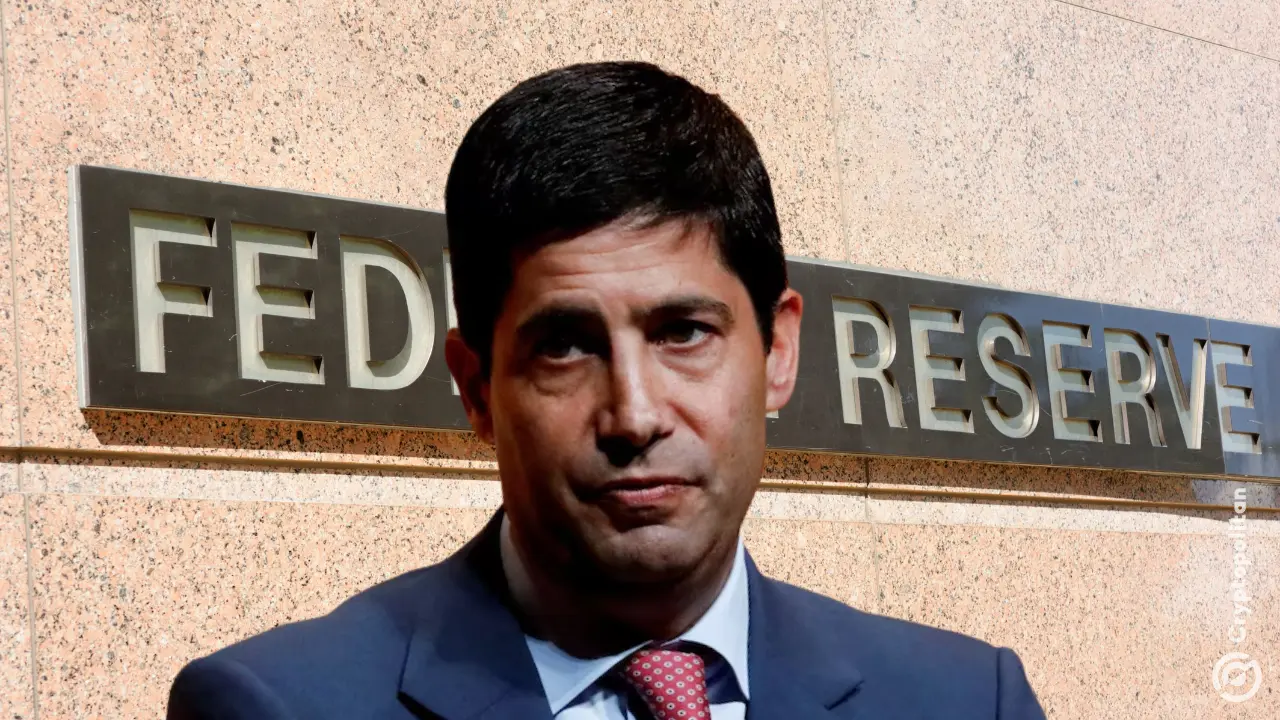
Federal Reserve Chair Kevin Warsh enters this week’s policy meeting with traders pricing a rate increase. Renewed fighting between Iran and the United States has pushed crude oil above $100 a barrel, raising fears that energy costs will feed into inflation. The meeting starts on