Vietnam’s tech talent market is broken and most companies are still hiring the wrong way
Something strange is happening in Vietnam’s engineering hiring market right now. Companies report talent shortages. Candidates report rejection rates higher than ever. Both are telling the truth. The gap between them isn’t a supply problem. It’s a definition problem, a fundamenta

Something strange is happening in Vietnam’s engineering hiring market right now. Companies report talent shortages. Candidates report rejection rates higher than ever.
Both are telling the truth. The gap between them isn’t a supply problem. It’s a definition problem, a fundamental mismatch between what companies say they need, what their hiring processes actually select for, and what the engineers who will matter most in the next three years actually look like.
I’ve spent a decade placing engineers across Southeast Asia. I’ve seen this kind of misalignment before. I haven’t seen it this structural.
The shift nobody fully prepared for Eighteen months ago, the hottest debate in engineering circles was whether “Vibe Coding”, the practice of generating code entirely through natural language prompts to AI, was a legitimate workflow or a shortcut for junior developers. That debate is now over. It turns out both sides were right, and both sides missed the point.
Yes, Vibe Coding accelerated output. A GitClear analysis of over 211 million lines of changed code found that AI-assisted workflows boosted boilerplate writing by 25–50 per cent. Yes, it also introduced a technical debt crisis: refactoring rates dropped from 25 per cent in 2021 to under 10 per cent in 2024, while duplicated code quadrupled.
Over 40 per cent of junior developers admitted to deploying AI-generated code they hadn’t read. By early 2026, Andrej Karpathy, one of the people who popularised the Vibe Coding concept, had already moved on. He began describing what comes next: Agentic Engineering.
Not writing code, not prompting AI to write code, but orchestrating autonomous AI agents: setting specifications, auditing outputs, managing feedback loops, and owning architectural decisions. The role of a software engineer is shifting from executor to decision-maker. That shift has a direct consequence for anyone responsible for hiring.
The talent gap is real, but it’s not the gap most people think Vietnam’s number
Đọc thêm từ Công nghệ

Samsung Galaxy Z Flip8 vs. Motorola Razr 70 Ultra : quel smartphone pliable au format clapet choisir ?
Le Moto dispose de l'un des meilleurs logiciels disponibles sur un téléphone, mais comment se positionne-t-il face à son tout nouveau concurrent ?
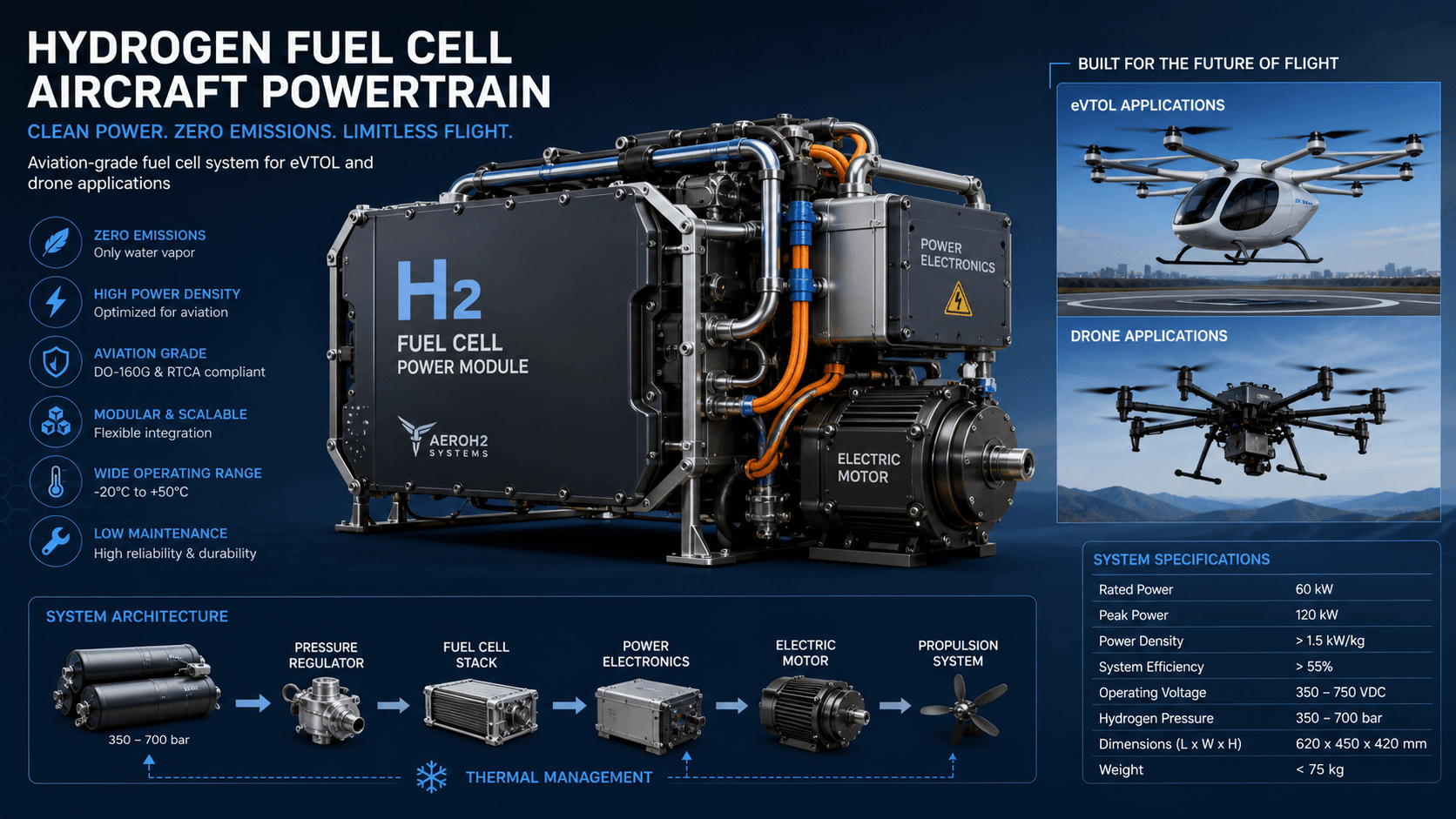
Tsinghua PhD Team Startup YiQing Power Develops Hydrogen Fuel Cell Heart for Aircraft: Scalable from 30kW Liquid-Cooled to 300kW Aviation-Grade Systems
YiQing Power completes tens of millions angel+ round, liquid-cooled fuel cell from 30kW to 110kW, Comac supplier for hydrogen propulsion, air-cooled variant for drone long-endurance achieving 30-hour flight.

Alibaba Launches 20+ Apps With 50+ Innovation Features on HarmonyOS: From Qwen AI Agent to Amap AR Navigation, Ali Ecosystem Goes Deep on Huawei Platform
Alibaba delivers over 50 HarmonyOS-native innovations across 20+ apps including Amap AR walking, DingTalk AI meeting via Xiaoyi, Taobao immersive browsing, and Qwen unified drag-drop AI analysis.
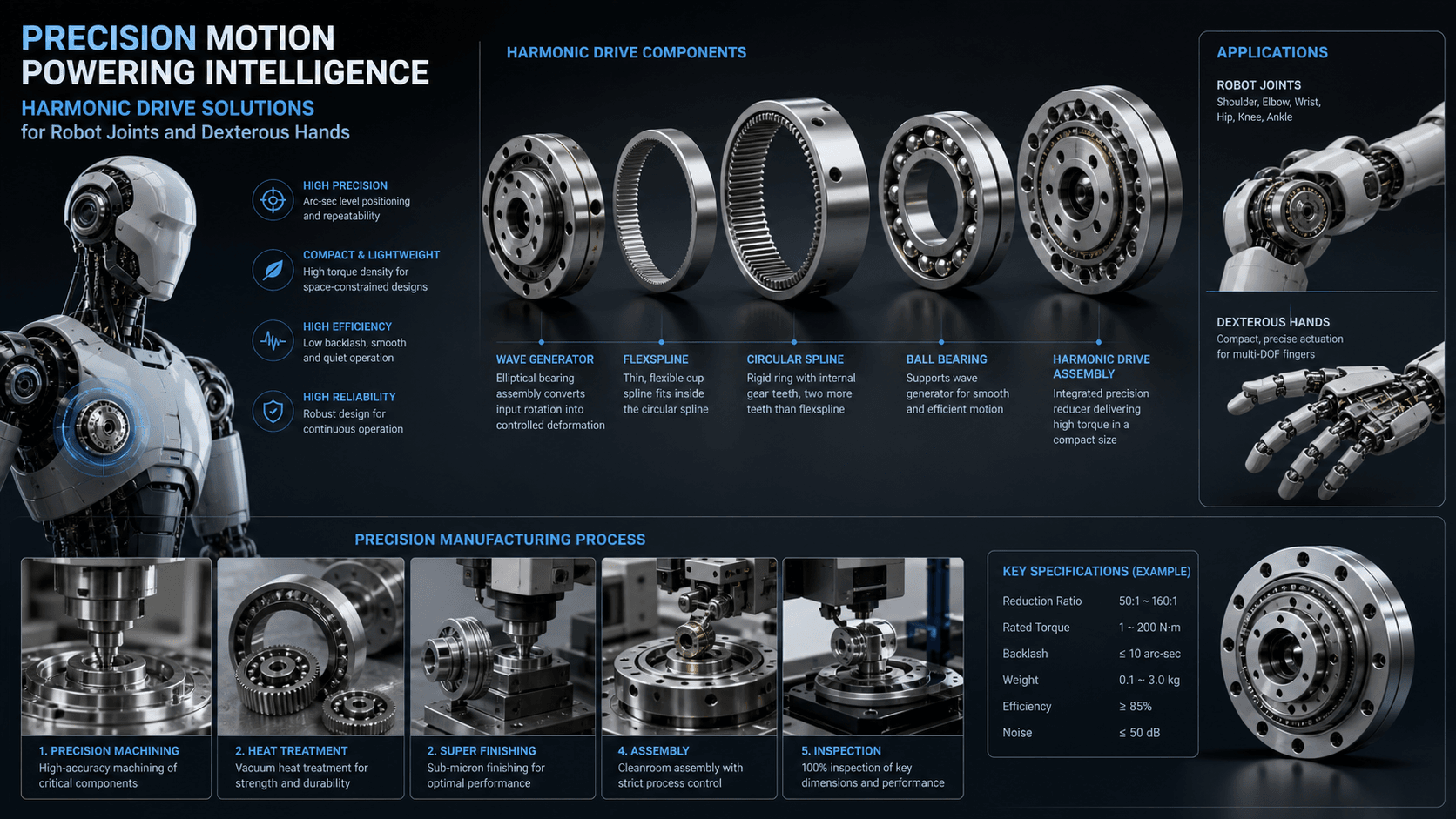
Unitree Price War Forces Harmonic Drive Suppliers Out of Comfort Zone: Robot Cost Squeeze Reshapes Supply Chain as Leaderdrive and Competitors Diversify
Unitree R1 humanoid drops below 30K yuan, Morgan Stanley raises 2026 forecast to 50K units, as Leaderdrive and Shuanghuan Drivetrain cross into each other turfs and Zhaowei builds dexterous hand plant.