Why Indonesia needs legal trust, not tax cuts, to build a finance hub
Tax breaks used to be enough. Not any more. Analysts say a new generation of investors is prioritising legal certainty and regulatory stability over incentives – and Asia’s most successful international financial centres will be those that successfully secure trust. All of which
AdvertisementIndonesiaThis Week in AsiaEconomicsWhy Indonesia needs legal trust, not tax cuts, to build a finance hubFrom Singapore to Dubai, global capital favours predictable courts over tax breaks. Experts say Jakarta should take note2-MIN READ2-MIN ListenKolette LimPublished: 8:00am, 27 Jul 2026Tax breaks used to be enough. Not any more.
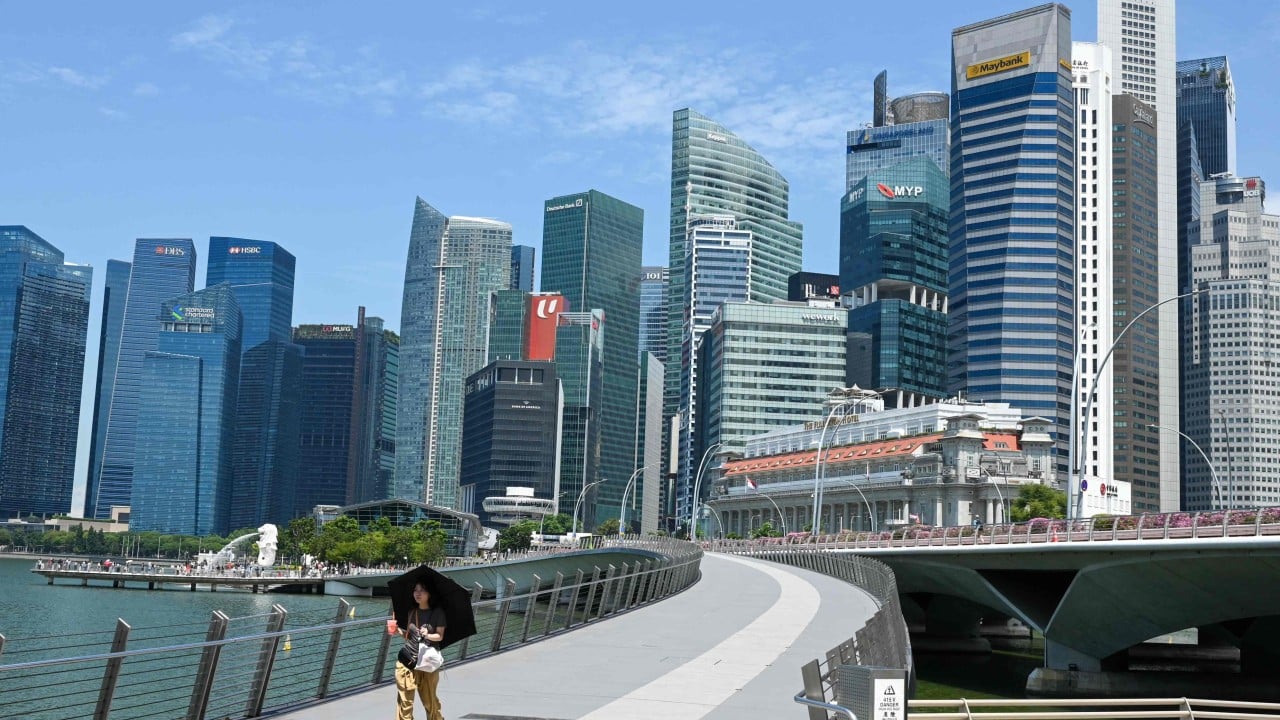
Analysts say a new generation of investors is prioritising legal certainty and regulatory stability over incentives – and Asia’s most successful international financial centres will be those that successfully secure trust.All of which carries repercussions for Indonesia’s plans to build its first international finance centre, after lawmakers passed a law on Tuesday giving the project the green light.Enforceable contracts, predictable regulation and robust dispute resolution mechanisms were now the most important prerequisites for global investors, said Ramkishen Rajan, an economist and Yong Pung How Professor at the National University of Singapore’s Lee Kuan Yew School of Public Policy.
“While tax incentives can attract some firms, they cannot compensate for erratic policy or weak supervision,” he said.Dubai in the United Arab Emirates ranked seventh in the latest Global Financial Centres Index. Photo: ShutterstockEstablished hubs such as Singapore and Hong Kong had succeeded because of their ability to build strong, predictable institutional environments that nurture investor confidence, said Aurelio Gurrea-Martinez, a law professor and head of the Singapore Capital Markets Initiative at Singapore Management University.
AdvertisementSelect VoiceSelect Speed0.8x0.9x1.
0x1.1x1.2x1.
5x1.75x00:0000:001.00x
Đọc thêm từ Tài chính
China memory chipmaker CXMT skyrockets 470% in blockbuster Shanghai debut
The Hefei-based company raised 57.92 billion yuan ($8.6 billion) after pricing its IPO at 8.66 yuan per share.
HKU president Xiang Zhang to step down in 2028 at end of second 5-year term
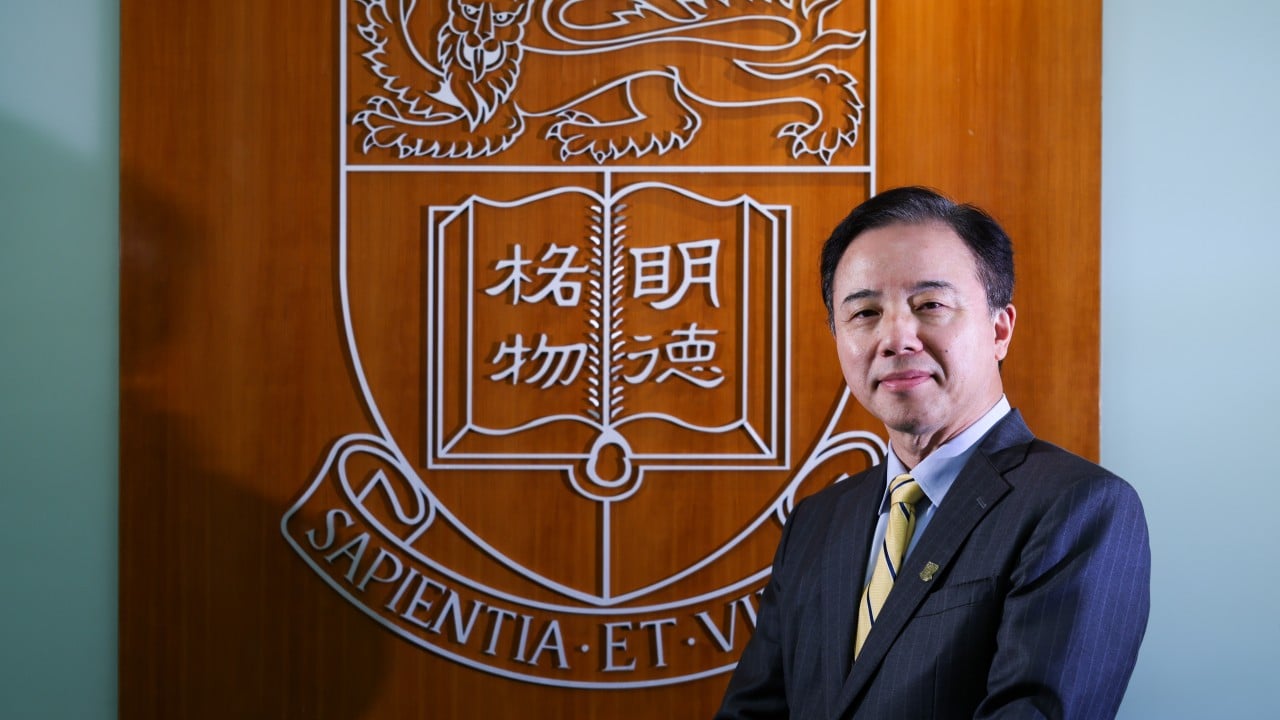
The University of Hong Kong’s (HKU) president and vice-chancellor Xiang Zhang has announced that he will be stepping down in 2028 after completing a second five-year term, according to an email seen by the South China Morning Post. In the email, sent to the university community i
Gold climbs as pause in Middle East fighting curbs inflation risk
Bullion rose as much as 1.1 per cent to near US$4,100 an ounce on July 27.